
Acne around the lips and chin may be related to genetic factors, endocrine disorders, improper diet, poor local hygiene, folliculitis, and other factors. It can be improved through adjusting diet, maintaining cleanliness, medication treatment, and other methods.
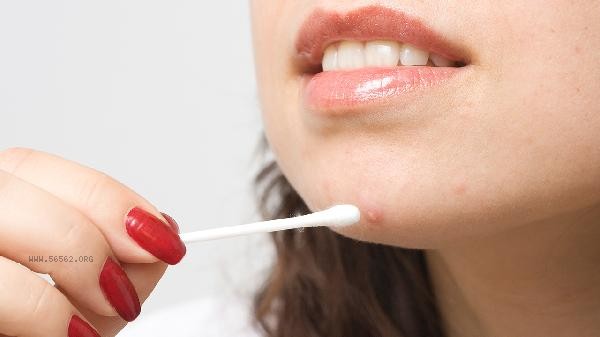
1. Genetic factors
Due to genetic susceptibility, some populations have strong sebaceous gland secretion, which can easily clog pores and form acne. In such situations, it is necessary to strengthen skin cleansing and avoid using irritating skincare products. Parents should pay attention to observing the skin condition of their children, as symptoms may alleviate after puberty.
2. Endocrine disorders
During puberty, menstrual cycles, or excessive stress, elevated levels of androgens stimulate sebum secretion. May be accompanied by symptoms such as menstrual disorders and hirsutism. You can follow the doctor's advice to use spironolactone tablets, ethinylestradiol and cyproterone acetate tablets to regulate hormones, and improve with regular sleep.
3. Improper diet
A high sugar and high-fat diet can promote sebaceous gland secretion, and hormone components in dairy products may also exacerbate symptoms. Commonly seen in people who frequently consume milk tea and fried foods. Suggest increasing the intake of vegetables and fruits, and supplementing with moderate amounts of vitamin B and zinc elements.

4. Poor local hygiene
Habits such as contact with mobile phone screens and cheek rests can cause bacteria to contaminate the skin and mix with sebum, leading to inflammation. Manifested as red papules with purulent heads. External antibiotics such as fusidic acid cream and mupirocin cream can be used, while correcting bad habits.
5. Folliculitis
Infection caused by Staphylococcus aureus and other bacteria can lead to suppurative inflammation of hair follicles, which may be caused by shaving injury or weakened immunity. The typical symptom is painful red nodules. It is necessary to seek medical advice for pus culture, and it may be necessary to take orally cefaclor capsules or externally applied clindamycin phosphate gel.
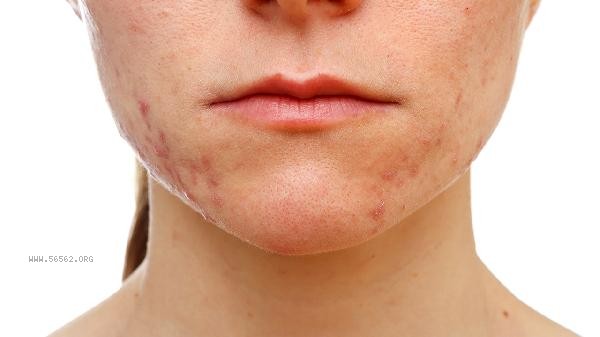
Avoid frequent touching of the face in daily life and choose moisturizing products with oil-free formulas. Use salicylic acid containing cleaning mask 1-2 times a week to help horniness metabolism. If acne persists for more than 3 months without subsiding, leaving obvious scars, or accompanied by fever symptoms, it is necessary to seek timely medical attention at a dermatologist. Paying attention to sun protection can help prevent pigmentation, and foods rich in omega-3 fatty acids such as salmon and walnuts can be appropriately added to the diet.





Comments (0)
Leave a Comment
No comments yet
Be the first to share your thoughts!