
Not liking to wash hair may be caused by factors such as psychological comfort zone dependence, preference for attention allocation, low self-worth, depressive tendencies, and sensory sensitivity.
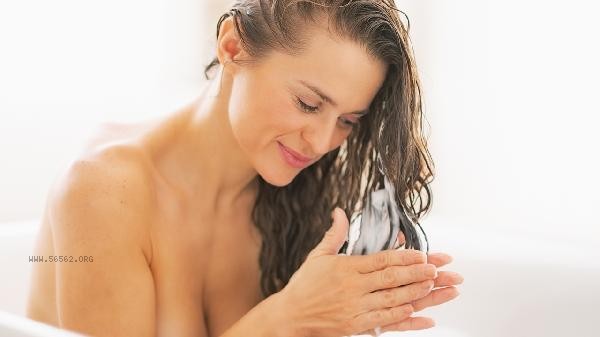
1. Psychological comfort zone dependence
Long term low-frequency hair washing habits can evolve into psychological comfort zones, and individuals may associate cleaning behavior with time consumption or physical discomfort, leading to behavioral solidification. This group of people often have implicit anxiety about changing their daily routines and are more inclined to maintain a low-energy lifestyle. In their cognition, washing hair is often classified as a non essential task.
2. Attention allocation preference
Some populations have significantly lower attention resource allocation for image management, which may be related to occupational characteristics or growth environment. People who engage in highly focused work such as technology research and development, artistic creation, or individuals who have not been strengthened in their appearance values during their growth process tend to view washing their hair as a compressible time cost.
3. Low self-worth
Continuous avoidance of physical cleanliness may reflect a potential low self-evaluation, which is often accompanied by negative perceptions of self attractiveness. When a person is in a state of low self-esteem for a long time, they will unconsciously ignore the maintenance of their social image, forming a vicious cycle between disheveled appearance and self doubt. In severe cases, it may develop into a precursor to physical deformity disorder.

4. Depressive tendencies
The common decline in basic self-care abilities in patients with depression includes reduced cleaning behavior, and inhibition of prefrontal function can lead to decision fatigue. When an individual is in a depressed state, initiating multi-step actions such as washing hair can consume abnormally large amounts of psychological energy, which may be accompanied by physiological rejection reactions such as sensitivity to water temperature and touch.
5. Sensory sensitivity
Special populations, such as those with autism spectrum disorder or skin diseases, may be overly sensitive to the chemical composition or water flow stimulation of personal care products. These individuals may resist washing their hair due to olfactory discomfort caused by the scent of shampoo, or tactile allergies caused by water flow hitting the scalp. Adaptive adjustments such as replacing odorless products are needed to improve this condition.
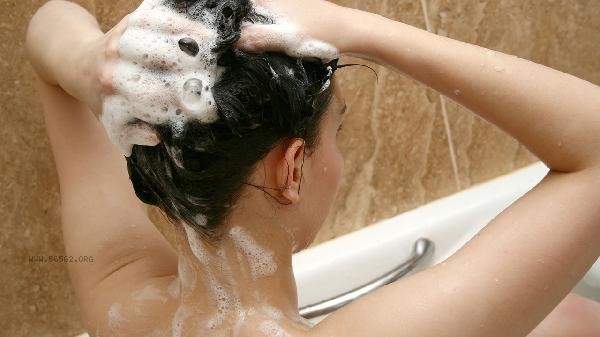
Improving hair washing frequency requires targeted strategies based on specific psychological factors. For habit dependent individuals, a 21 day behavioral check-in mechanism can be established. Depressive individuals should cooperate with psychological counseling and light therapy. Suggest starting with low threshold methods such as adjusting the comfort level of water temperature and choosing non wash cleaning products, gradually rebuilding the connection between physical cleanliness and positive emotions. When there is severe social avoidance or odor distress, professional interventions such as cognitive-behavioral therapy should be considered.




Comments (0)
Leave a Comment
No comments yet
Be the first to share your thoughts!