
Uncontrolled thoughts in the brain may be related to diseases such as anxiety disorder, obsessive-compulsive disorder, depression, schizophrenia, or bipolar disorder. These symptoms are usually caused by psychological stress, imbalance of brain chemicals, genetic factors, traumatic experiences, or organic diseases, and are manifested as thinking disorders, difficulty concentrating, or repeated intrusive thoughts.

1. Anxiety disorder
Anxiety disorder patients often experience uncontrolled thinking due to excessive worry, which may be accompanied by palpitations, sweating, or sleep disorders. The onset of the disease is related to long-term stress or neurotransmitter imbalance. Treatment can follow the doctor's advice to use paroxetine hydrochloride tablets, lorazepam tablets, or escitalopram oxalate tablets, combined with cognitive-behavioral therapy to alleviate symptoms. Parents need to help patients establish a regular daily routine and avoid stimulating diets.
2. Obsessive Compulsive Disorder
Obsessive Compulsive Disorder is characterized by repeated compulsive thinking, and patients may not be able to control themselves to repeat specific thoughts or behaviors. The onset is related to abnormalities in the serotonin system or childhood trauma. Fluoxetine hydrochloride capsules, sertraline hydrochloride tablets, or clomipramine tablets are commonly used in clinical practice for treatment, and exposure therapy can help reduce rumination. Parents are advised to supervise patients to reduce repetitive behaviors and gradually shift their attention.
3. Depression
Negative thinking in patients with depression may emerge uncontrollably, often accompanied by decreased interest and a sense of fatigue. The etiology involves genetics, stress events, or hypothalamic pituitary axis dysfunction. The doctor may prescribe Mirtazapine tablets, Wenlafaxine hydrochloride sustained-release capsules, or Flupentixiton Meritocine tablets, combined with phototherapy to improve symptoms. Parents should encourage patients to participate in social activities and maintain moderate exercise.
4. Schizophrenia
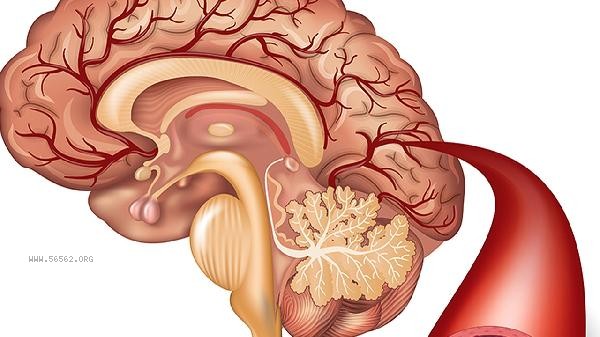
Schizophrenia can present with symptoms of loss of control such as thought insertion or thought broadcasting, often accompanied by hallucinations or delusions. Related to excessive dopamine activity or abnormal brain structure. Treatment requires the use of antipsychotic drugs such as olanzapine tablets, risperidone orally disintegrating tablets, or quetiapine sustained-release tablets, in conjunction with social skills training. Parents need to ensure that patients take medication regularly and avoid being stimulated by psychoactive substances such as alcohol.
5. Bipolar affective disorder
Bipolar affective disorder may experience mental runaway during the manic phase, and may be prone to negative associations during the depressive phase. The etiology is related to circadian rhythm disorders or abnormalities in the glutamate system. Sodium valproate sustained-release tablets, lithium carbonate tablets, or lamotrigine dispersible tablets are commonly used to stabilize emotions, combined with psychological education to prevent recurrence. Parents should pay attention to observing the emotional fluctuations of patients and adjust their living environment in a timely manner.
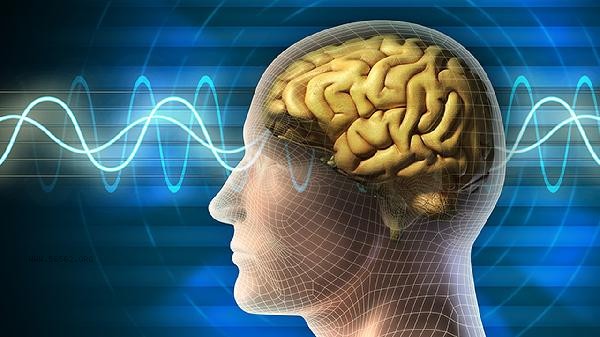
It is necessary to limit caffeine and refined sugar intake in daily life, maintain 30 minutes of aerobic exercise such as brisk walking or swimming, and improve thinking control through mindfulness meditation training. If the symptoms persist for more than two weeks or affect normal life, it is recommended to seek medical attention at a psychiatric department as soon as possible and avoid self administering sedatives. Keeping a diary of changes in thinking can help doctors assess the progression of the condition, and family members should avoid blaming or overly focusing on the patient's symptoms.




Comments (0)
Leave a Comment
No comments yet
Be the first to share your thoughts!