
The main difference between tea leaves and tea slices lies in the processing technology and form. Tea leaves usually refer to loose tea or original leaf tea made by traditional techniques, while tea slices are reprocessed tea formed by pressing.
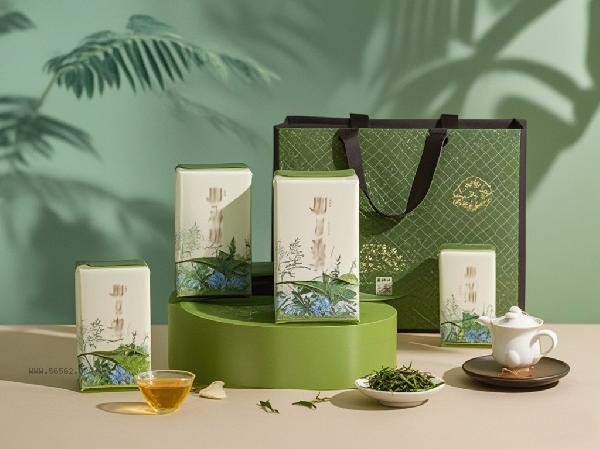
Tea is a primary product made from fresh tea leaves through traditional processes such as withering, rolling, and drying. It retains the complete shape of the leaves and gradually expands during brewing, resulting in a rich and layered taste of the tea soup. Common types of tea, such as green tea, black tea, oolong tea, etc., belong to this category. Different degrees of fermentation and processes endow tea with unique flavors, such as fresh green tea and mellow black tea. The loose tea form is convenient for observing the quality of the leaf base, but attention should be paid to moisture and light during storage.
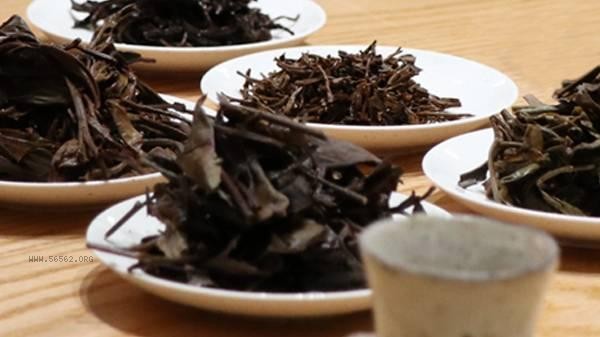
Tea chips often refer to pressed tea such as Pu erh tea cakes and tea bricks, which are made by steaming sun dried green tea until soft and shaping it for easy transportation and later conversion. The pressing process will cause the cell wall of tea to rupture, accelerate aging, and form a rich and mellow taste. Tea slices need to be pried with a tea needle, and the release of internal essence is slower but more lasting during brewing. Some white teas also come in the form of cake tea, but there are differences in raw material grade and degree of looseness compared to Pu erh tea slices. Compressed tea is suitable for long-term storage, but attention should be paid to environmental temperature and humidity control.
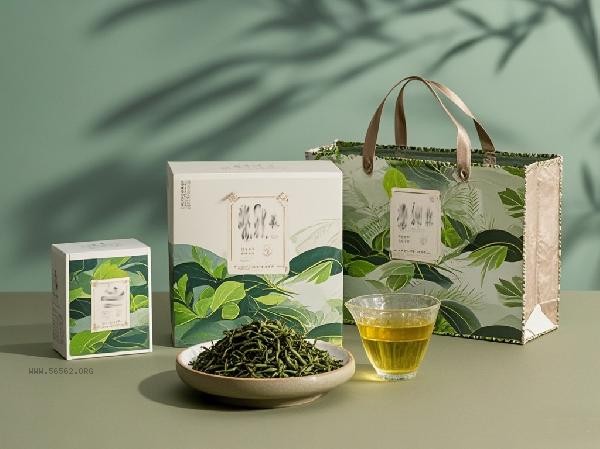
The choice of tea leaves or tea slices can be determined based on personal taste and storage conditions. Loose tea is suitable for pursuing fresh and refreshing flavors and instant drinking, while tea slices are more suitable for collecting and aging. Regardless of the form, it is recommended to store in a cool and dry place to avoid odor contamination. When brewing, pay attention to the warm cup utensils to enhance the performance of the tea soup. Moderate tea consumption can help refresh the mind, but it should be reduced on an empty stomach or before bedtime to avoid affecting gastrointestinal function.








Comments (0)
Leave a Comment
No comments yet
Be the first to share your thoughts!