
The difference between overweight and obesity mainly lies in the degree of weight exceeding the standard range, with obesity being more severe.
1. Definition and Standards
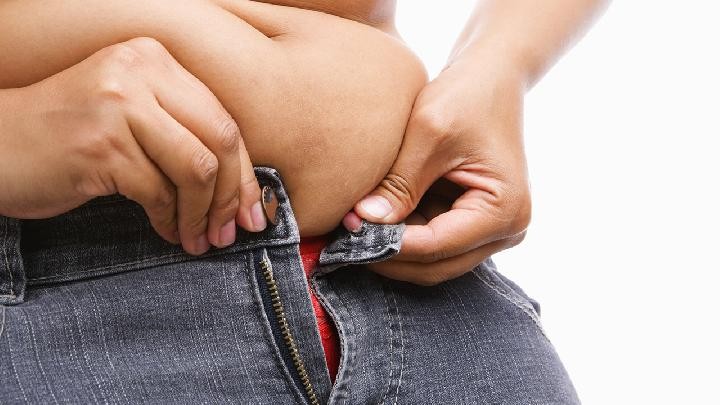
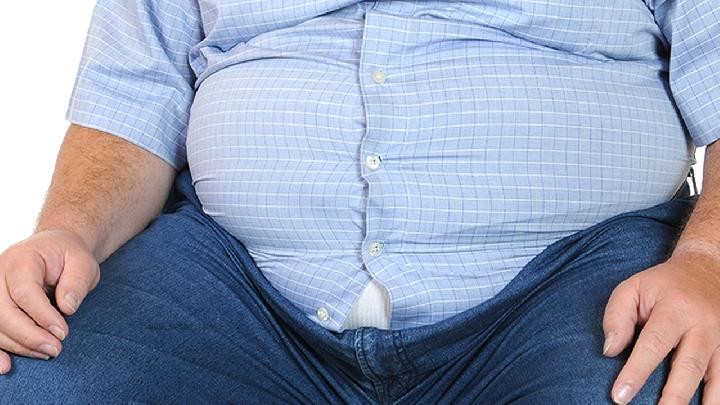
Overweight and obesity are both manifestations of overweight. Overweight refers to a weight that exceeds 10% to 20% of the standard weight, while obesity refers to a weight that exceeds 20% or more. This difference not only affects appearance, but more importantly, the degree of impact on health varies. Obese people face higher health risks, such as cardiovascular disease, diabetes, etc.
2. Cause analysis
There are various factors that affect weight. Genetic factors to some extent determine a person's weight tendency, but this is not absolute. Dietary habits are equally crucial, as excessive intake of high calorie foods can lead to weight gain. Environment and lifestyle also play an important role, as people who sit for long periods of time and lack exercise are more likely to be overweight or obese.
3. Health Effects
Both overweight and obesity are detrimental to health. Overweight may be a precursor to obesity, and timely intervention can prevent further development. Obesity is closely related to various chronic diseases, such as hypertension and fatty liver, and has a significant impact on quality of life.
4. Management and Improvement
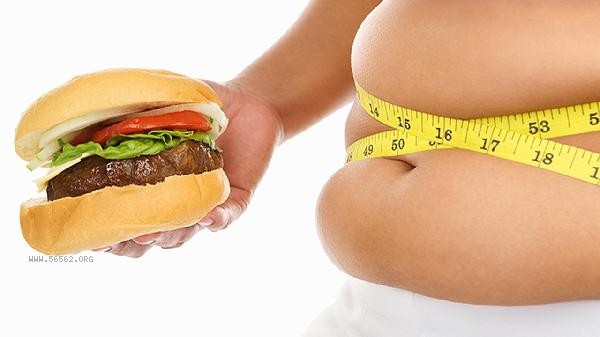
The core of weight control lies in diet and exercise. In terms of diet, reduce the intake of high calorie foods and maintain a balanced nutrition. You can try the method of eating small meals multiple times to avoid overeating. In terms of exercise, moderate aerobic exercise such as brisk walking and swimming are good choices, at least three to four times a week, with each session lasting more than 30 minutes.
5. Psychological factors
Weight problems are not only physiological issues, but also involve mental health. Overweight and obesity may lead to a decrease in self-esteem and even trigger depression. Psychological support and positive self-identity are important components of weight management. If you find it difficult to control your weight, you can seek professional help. Nutritionists and fitness coaches can provide personalized advice and guidance. When necessary, doctors can also provide medication or surgical intervention.
7. Long term persistence
Weight control is a long-term process that cannot be completed overnight. Establishing a healthy lifestyle and developing good habits are essential for maintaining an ideal weight and good health in the future. Through these methods and strategies, overweight and obesity can be effectively controlled. Pay attention to health, start with small things, everyone can have a healthy weight and life.




Comments (0)
Leave a Comment
No comments yet
Be the first to share your thoughts!