
The evaluation score for somatic symptoms of high sympathetic nervous system tension needs to be determined based on specific scales and individual conditions. The commonly used self-assessment scales for somatic symptoms or symptom self-assessment scale SCL-90 are used for screening in clinical practice. For mild symptoms, it is recommended to control the score below 20 points, and for moderate to severe symptoms, professional intervention is needed. The assessment of somatic symptoms usually uses standardized psychological scales, and there are differences in the critical values of different scales. Taking SCL-90 as an example, if the somatization factor score exceeds 2 points, it may indicate significant symptoms, but organic diseases need to be ruled out. Professional medical institutions will conduct multidimensional evaluations through face-to-face consultations combined with Hamilton Anxiety Scale, autonomic nervous system function tests, etc. The scores of the scales alone cannot be used as a diagnostic basis.
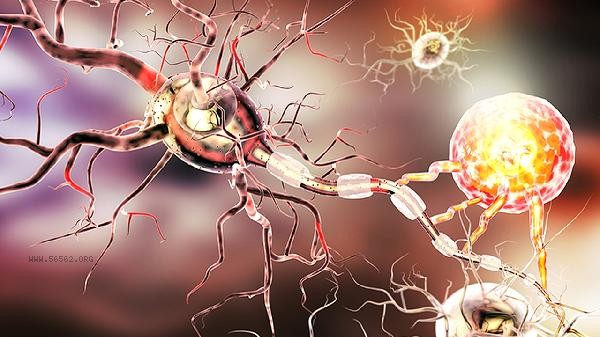
Some people may experience physical symptoms such as palpitations and sweating due to excessive sympathetic nervous system stimulation caused by long-term stress, but diseases such as hyperthyroidism and pheochromocytoma can also cause similar symptoms. If the scale score continues to exceed 30 points or is accompanied by physiological indicators such as weight loss, priority should be given to medical examinations such as blood routine and electrocardiogram. Psychological assessment should be used as an auxiliary tool rather than the sole criterion.

It is recommended that individuals with persistent physical discomfort regularly record the frequency and triggers of symptom attacks to avoid excessive reliance on self-assessment scale results. Non pharmacological interventions such as abdominal breathing training and progressive muscle relaxation can be attempted. Maintaining a regular schedule and moderate exercise can help regulate autonomic nervous system function. If the symptoms affect daily life for more than two weeks, it is necessary to seek medical attention promptly at a psychiatric or psychosomatic department. Doctors will choose cognitive behavioral therapy or medication intervention plans based on the characteristics of the symptoms.





Comments (0)
Leave a Comment
No comments yet
Be the first to share your thoughts!