
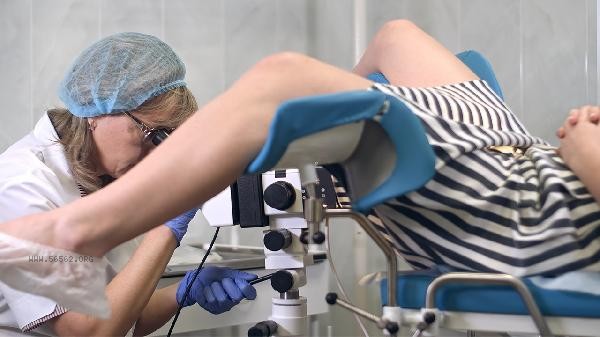
Hysteroscopy is a minimally invasive endoscopic examination technique that involves the insertion of a slender mirror through the vagina into the uterine cavity, allowing for direct observation of lesions and tissue biopsy or treatment. Hysteroscopy is mainly used for diagnosing and treating abnormal conditions in the uterine cavity. When abnormal uterine bleeding, excessive menstrual flow, prolonged menstruation, non menstrual bleeding, infertility, or recurrent miscarriage occur, doctors often recommend this examination. During the examination, the doctor will insert a mirror with a camera into the uterine cavity through the cervical opening, and inject an inflation medium to dilate the uterine cavity, thereby clearly observing the endometrium, uterine cavity morphology, fallopian tube opening, and whether there are polyps, fibroids, adhesions, deformities, or endometrial lesions. If suspicious lesions are found, micro instruments can be used simultaneously for biopsy, polypectomy, myomectomy, or adhesion separation to achieve integrated diagnosis and treatment. The entire process is usually performed under anesthesia, and the patient has no obvious pain. After the examination, they can go home on the same day. However, it is important to avoid sexual activity, baths, and swimming for two weeks after surgery to prevent infection. Compared with traditional curettage, hysteroscopy has the advantages of clear field of view, precise positioning, minimal trauma, and fast recovery, and has become the gold standard for the diagnosis of uterine diseases.
After the examination, it is recommended to rest for 1-2 days, keep the perineum clean and dry, follow the doctor's advice to use antibiotics to prevent infection. A small amount of vaginal bleeding after surgery is a normal phenomenon. If the amount of bleeding exceeds menstrual flow or is accompanied by abdominal pain and fever, seek medical attention in a timely manner. Pay attention to a balanced diet in daily life, supplement foods rich in iron and protein such as lean meat, eggs, and green leafy vegetables, avoid vigorous exercise and heavy physical labor, and regularly check up within one month after surgery to confirm recovery.








Comments (0)
Leave a Comment
No comments yet
Be the first to share your thoughts!