
Esophagoscopy is a diagnostic method that uses a flexible tube (endoscope) to enter the esophagus from the mouth and directly observe esophageal mucosal lesions. It is mainly used to clarify the causes of esophageal inflammation, ulcers, tumors, or foreign bodies. Esophageal endoscopy is commonly used to evaluate symptoms such as swallowing difficulties, pain behind the sternum, acid reflux, heartburn, or unexplained vomiting of blood. Before the examination, it is necessary to fast and avoid water for 6-8 hours to ensure that there is no food residue in the esophagus that affects the field of vision. Doctors will slowly insert an endoscope with a high-definition camera into the esophagus through the pharynx. During the process, patients may feel slight nausea or foreign body sensation, but most people can tolerate it. If suspicious lesions are found, doctors will insert biopsy forceps through endoscopic channels, pick up tissue the size of rice grains and send it for pathological analysis. This is the gold standard for diagnosing esophageal cancer or precancerous lesions. Within 2 hours after the examination, it is necessary to fast and avoid water. After the effect of throat anesthesia subsides, try to eat warm and cool liquid food to avoid stimulating the mucosa with overheated food. Common complications include minor abrasions or bleeding in the throat, which usually heal on their own within 1-2 days; In rare cases, perforation or infection may occur, but the incidence is extremely low. For high-risk populations with long-term gastroesophageal reflux, esophageal varices, or esophageal cancer, regular esophagoscopy can help detect lesions early. In addition, esophagoscopy can also be used for treatment, such as removing foreign objects such as fish bones and jujube pits accidentally swallowed, or performing submucosal dissection for early esophageal cancer to avoid open chest surgery.
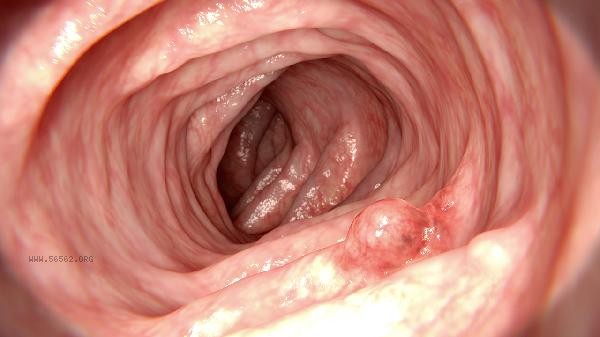
It is recommended to give priority to warm and cool soft food within 24 hours after inspection, such as Congee, rotten noodles, steamed egg custard, and avoid coarse, spicy or hot food. If there is persistent chest pain, fever, vomiting blood or black stool, seek medical attention immediately. Daily attention to chewing slowly and quitting smoking and limiting alcohol consumption can reduce the risk of esophageal diseases.








Comments (0)
Leave a Comment
No comments yet
Be the first to share your thoughts!