
Scars left on the corners of the mouth can be improved through local care, medication treatment, laser treatment, surgical treatment, dietary adjustments, and other methods. Scars left on the corners of the mouth may be related to factors such as repeated friction, infection, poor wound healing, scar constitution, malnutrition, etc.
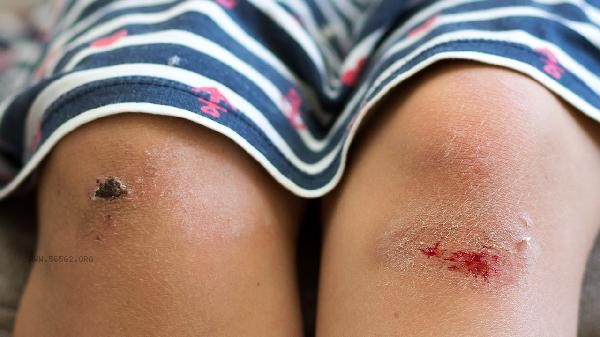
1. Local care
Early scars can be cleaned with warm water every day and then smeared with Vaseline or medical silicone gel. Keeping the wound moist helps reduce pigmentation. Avoid scratching or tearing the scab to prevent secondary damage. Use physical sunscreen to protect scar areas when going out, as UV exposure may exacerbate pigment deposition.
2. Drug treatment
Hypertrophic scars can be treated with compound heparin sodium allantoin gel to inhibit fibrogenesis, or triamcinolone acetonide and econazole cream to reduce inflammatory reaction. The recombinant human epidermal growth factor gel can be used to promote the repair of atrophic scars. When co infected, antibiotics such as mupirocin ointment should be used in combination.
3. Laser therapy
Carbon dioxide dot matrix laser can stimulate collagen remodeling through thermal effects and is suitable for concave scars. Pulsed dye laser can target and destroy capillaries within scars, improving red scars. After evaluation by a professional doctor, treatment should be carried out according to the course of treatment, and strict sun protection should be taken after treatment to avoid darkening.
4. Surgical treatment
Scar excision and suturing can be used for stubborn keloids, and postoperative radiation therapy can be used to prevent recurrence. Z-shaped surgery changes the direction of scars to match the texture of the skin. The surgical plan should be personalized according to the scar shape, location, and patient's physical condition.
5. Dietary regulation
Daily intake of sufficient high-quality protein such as eggs, fish, etc. provides repair materials, and citrus fruits rich in vitamin C promote collagen synthesis. Zinc can be supplemented through oysters and nuts, and a deficiency may delay wound healing. Avoid spicy and stimulating foods to reduce local congestion. During scar recovery, it is important to maintain a regular daily routine, quit smoking and limit alcohol intake to avoid affecting microcirculation. Dynamically observe changes in scars, and if there is persistent hyperplasia, pain, or functional impairment, timely follow-up is necessary. Parents of pediatric patients need to help with sun protection and medication application to avoid scratching the affected area. It usually takes 6-12 months for scars to fully mature, and combining multiple intervention measures during this period is more effective.







Comments (0)
Leave a Comment
No comments yet
Be the first to share your thoughts!