
When controlled by the subconscious, adjustments can be made through awareness exercises, cognitive-behavioral interventions, mindfulness training, psychological counseling, professional treatment, and other methods. Subconsciously dominant behavior is often associated with long-term habits, emotional suppression, traumatic memories, psychological defense mechanisms, changes in neural plasticity, and other factors.
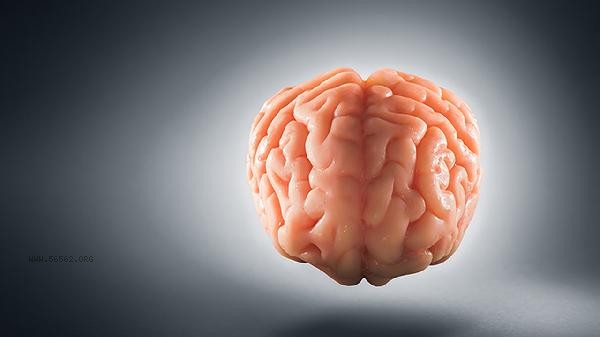
1. Perception Exercise
recognizes subconscious patterns by recording daily automated behaviors and emotional responses. Review the triggers of behavior at a fixed time every day, such as whether there are specific thoughts flashing before emotional eating. Establish a cognitive connection between behavior and the subconscious, gradually breaking the unconscious cycle.
2. Cognitive behavioral intervention
Design adversarial strategies for specific subconscious driven behaviors. When there is compulsive behavior of scrolling through mobile phones, use delayed gratification instead of immediate response. Validate subconscious hypotheses through behavioral experiments, such as social anxiety sufferers attempting to proactively greet others and record actual feedback.
3. Mindfulness Training
Daily body scans and breath anchoring exercises are conducted to enhance the perception and buffering of subconscious impulses. When anger suddenly arises, create a reaction space with breathing intervals. Long term practice can alter the neural connectivity patterns between the prefrontal cortex and amygdala of the brain.
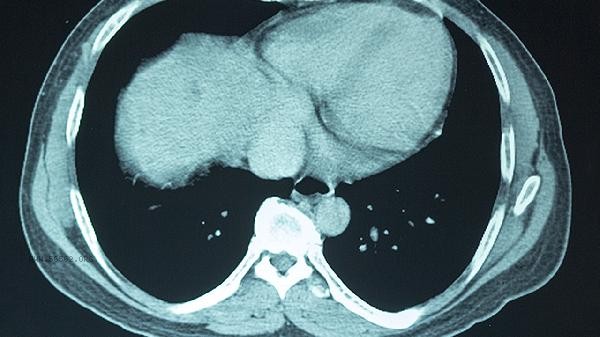
4. Psychological counseling
uses psychoanalytic techniques to explore the subconscious scripts formed by early experiences, and reconstructs internal relationship patterns through imagery dialogue techniques. Sandplay therapy can concretize subconscious conflicts, while narrative therapy helps rebuild self-identity. Continuous multiple consultations are required to change deep cognitive structures.
5. Professional treatment
For trauma related dissociative symptoms or compulsive behaviors, it may be necessary to combine transcranial magnetic stimulation to regulate neural activity. The loss of mobility caused by severe depression may be considered for non convulsive electroconvulsive therapy. All medical interventions must be implemented after evaluation by a psychiatrist, in conjunction with medication and psychological therapy. Establishing a regular sleep rhythm can help balance conscious and subconscious activities, and daily moderate aerobic exercise can enhance prefrontal regulation function. Add deep-sea fish rich in omega-3 fatty acids to your diet to avoid emotional fluctuations caused by high sugar diets. continuously engaging in artistic expression activities such as free writing or painting provides a safe release channel for the subconscious, and these life adjustments need to be coordinated with professional intervention methods.








Comments (0)
Leave a Comment
No comments yet
Be the first to share your thoughts!