
Drinking alcohol during the first month of pregnancy may lead to abnormal fetal development, with main risks including fetal alcohol syndrome, spontaneous abortion, embryonic arrest, premature birth, and low birth weight.

1. Fetal malformation
Early pregnancy is a critical period for the differentiation and formation of fetal organs, and alcohol has a clear teratogenic effect, which can directly enter the fetal body through the placental barrier. Drinking alcohol at this time may interfere with cell division and tissue construction, leading to abnormal fetal facial features such as microcephaly, cleft lip and palate, or causing structural defects in the heart, bones, and nervous system. This type of damage is often irreversible, seriously affecting the quality of life and intellectual development of the fetus after birth, and the risk significantly increases with increased alcohol consumption.
2. Spontaneous abortion
Alcohol intake can cause uterine vasoconstriction, reduce placental blood flow, and result in embryo hypoxia and inadequate nutrient supply. At one month of pregnancy, embryo implantation is not yet stable, and the toxic effects of alcohol can easily induce uterine contractions, disrupt the hormonal balance required for pregnancy maintenance, and lead to threatened miscarriage symptoms such as vaginal bleeding and abdominal pain, ultimately developing into complete spontaneous abortion. This is one of the most common serious consequences of drinking alcohol in early pregnancy, directly terminating the pregnancy process.
3. Embryo arrest
High concentration alcohol has a direct toxic effect on embryonic cells, which can inhibit normal metabolic activities of embryos and hinder their growth and development process. Although some pregnant women did not immediately show signs of miscarriage after drinking alcohol, their embryos had stopped developing, resulting in missed miscarriage. This condition usually has no obvious symptoms and needs to be diagnosed through ultrasound examination. It is characterized by irregular shape of the gestational sac or no fetal heartbeat, and ultimately requires medical intervention to clear the contents of the uterine cavity, causing a double blow to the mother's physical and mental health.

4. Risk of Premature Birth
Drinking alcohol during pregnancy can disrupt the maternal endocrine system, affect the normal secretion of pregnancy hormones such as progesterone, and induce chronic inflammatory reactions, weakening the strength of the fetal membranes. Even if the embryo successfully passes the teratogenic sensitive period, it still faces a high probability of premature birth during subsequent pregnancies. Premature infants have immature organ systems, especially the lungs and brain, which require long-term treatment in the intensive care unit after birth. This reduces survival rates and increases long-term complications, placing a heavy burden on families.
5. Intellectual impairment
Alcohol is a strong neurotoxin, and exposure to alcohol during early pregnancy can seriously damage the development of the fetal central nervous system. Even if there is no obvious abnormality in appearance, the child may still exhibit cognitive impairment, learning difficulties, attention deficit, and behavioral abnormalities after birth, namely fetal alcohol spectrum disorder. These types of intellectual and behavioral problems are lifelong and cannot be completely corrected through postnatal education, seriously affecting children's social adaptation ability and quality of life. They are the hidden but profound harm brought by alcohol consumption.
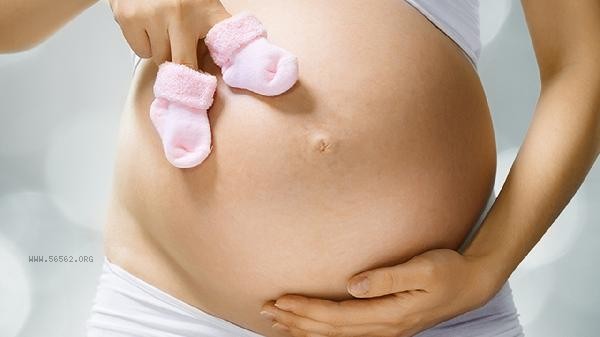
During the whole pregnancy, pregnant women should strictly prohibit drinking any alcoholic drinks, including beer, red wine and Baijiu, to ensure the safety of the fetus. Daily diet should pay attention to balanced nutrition, consume more fresh vegetables and fruits rich in folate, high-quality protein, and vitamins, maintain a regular schedule and moderate exercise, and avoid exposure to tobacco, alcohol, and harmful chemicals. If you accidentally drink alcohol, there is no need to panic excessively, but you must stop immediately and go to a regular hospital for obstetrics and gynecology treatment as soon as possible. Evaluate the condition of the fetus through professional examination, follow the doctor's advice for follow-up monitoring and intervention, do not self medicate or believe in folk remedies, and jointly protect the health of mother and baby.








Comments (0)
Leave a Comment
No comments yet
Be the first to share your thoughts!