
Drinking alcohol during menstruation may lead to increased menstrual flow, prolonged periods, worsening dysmenorrhea, emotional fluctuations, and increased liver burden.
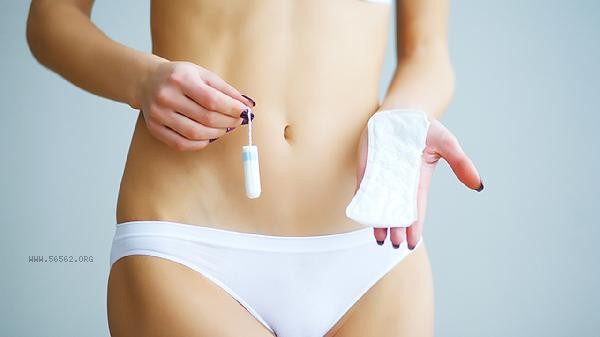
1. Increased menstrual flow
Alcohol has the effect of dilating blood vessels, and ingestion can accelerate blood circulation, leading to increased pelvic congestion. During menstruation, the endometrium is shedding and bleeding, and drinking alcohol at this time can further dilate the uterine blood vessels, leading to an abnormal increase in menstrual blood volume. This situation not only leads to excessive blood loss in the body, causing anemia symptoms such as fatigue and dizziness, but also may disrupt the normal menstrual cycle, making the subsequent months of menstruation unstable and affecting the normal function recovery of the reproductive system.
2. Prolonged menstrual period
Due to alcohol interference with the normal metabolism and balance of hormones in the body, especially affecting the levels of estrogen and progesterone, the process of endometrial repair is hindered. Normally, menstruation lasts for three to seven days, but drinking alcohol may significantly prolong the bleeding time and result in incomplete bleeding. Long term bleeding increases the risk of reproductive tract infections, and bacteria are more likely to multiply in the blood environment, leading to gynecological inflammations such as pelvic inflammatory disease or endometritis, which pose long-term risks to women's health and require longer periods of time to restore normal physiological status.
3. Increased Dysmenorrhea
Alcohol metabolite acetaldehyde stimulates increased secretion of prostaglandins, which are key substances that cause strong uterine contractions and pain. During menstruation, the uterus itself contracts to expel menstrual blood. After drinking alcohol, this contraction becomes more intense and irregular, leading to a significant increase in lower abdominal colic. In addition, alcohol induced vasodilation and pelvic congestion can also compress peripheral nerves, exacerbate lumbar and sacral pain and bloating, making previously mild dysmenorrhea unbearable and seriously affecting daily work and life efficiency.
4. Emotional fluctuations
Hormonal changes in women during menstruation can easily lead to emotional instability, anxiety, irritability, or depression tendencies. Alcohol, as a central nervous system inhibitor, may initially produce a false sense of excitement and subsequently inhibit cortical function, disrupting neurotransmitter transmission. Under the combined effect of the two, women are more likely to experience emotional instability, irritability, crying, or extreme depression. This intense psychological fluctuation not only affects interpersonal relationships, but may also exacerbate the symptoms of premenstrual syndrome, forming a vicious cycle that is not conducive to maintaining mental health.
5. Liver burden
During menstruation, women's bodies are relatively weak, and their detoxification and metabolic abilities decrease. After alcohol enters the human body, it mainly relies on the liver for decomposition and metabolism, producing a large amount of toxic substances such as acetaldehyde. Drinking alcohol at this time can force the liver to work beyond its capacity, consuming large amounts of vitamin B and antioxidant substances, leading to an increased risk of liver cell damage. Long term or frequent alcohol consumption during menstruation may lead to alcoholic hepatitis or fatty liver, weaken the body's immune system, make women more susceptible to colds or other diseases during menstruation, and slow down the body's recovery speed.
It is recommended that women strictly avoid drinking any alcoholic drinks, including beer, red wine and Baijiu, during menstruation to protect reproductive system and liver health. Daily diet should pay attention to warmth and easy digestion, and consume more foods rich in iron and high-quality protein such as lean meat, spinach, eggs, etc., which can help supplement lost nutrients. Maintain sufficient sleep and moderate rest, avoid vigorous exercise and catching a cold, and use a hot water bottle to apply hot compress to the abdomen to relieve discomfort. If severe dysmenorrhea or abnormal menstrual flow occurs, one should promptly seek medical attention at the gynecology department of a hospital and undergo conditioning and treatment under the guidance of professional doctors. Do not self medicate or rely on folk remedies to ensure a smooth menstrual cycle.








Comments (0)
Leave a Comment
No comments yet
Be the first to share your thoughts!