
There is no absolute prohibition on eating fruits and vegetables together when eating seafood, but it is recommended to avoid consuming large amounts of fruits and vegetables rich in vitamin C and those with cold properties to prevent gastrointestinal discomfort or affect nutrient absorption.
1. High vitamin C fruits and vegetables
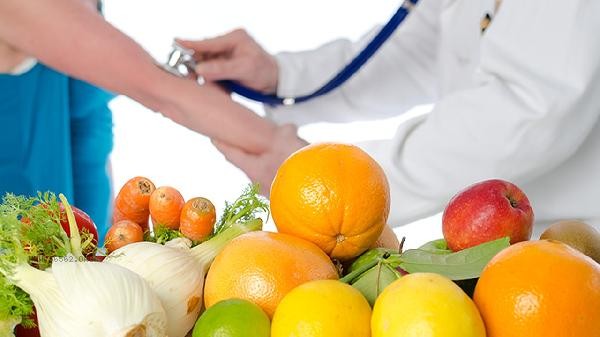
Seafood is rich in high-quality protein and minerals, while some fruits such as lemon, kiwi, and fresh dates contain high concentrations of vitamin C. Although consuming both at a normal dietary dose does not produce high toxicity, excessive simultaneous intake may affect protein digestion and absorption under specific conditions, or cause mild gastrointestinal reactions in some sensitive populations. In addition, vitamin C has reducibility and theoretically may react with certain components in seafood, reducing its nutritional value. It is recommended to wait for a period of time after consuming seafood before consuming such high vitamin C fruits to ensure the full absorption and utilization of nutrients and reduce potential digestive burden.
2. Cold Fruits and Vegetables
Traditional Chinese medicine theory holds that seafood is mostly a cold substance. If consumed in large quantities with fruits and vegetables of the same cold nature, it can easily damage the spleen and stomach yang qi. Common cold fruits and vegetables include watermelon, pear, persimmon, cucumber, bitter gourd, etc. For people with weak constitution and weak gastrointestinal function, this "cold on top of cold" diet combination can easily cause digestive symptoms such as abdominal pain, diarrhea, and nausea. Therefore, when consuming seafood with a high degree of coldness such as crabs and shrimp, it is advisable to minimize the intake of such cold fruits and vegetables, or to use ginger and perilla isothermal seasonings for neutralization, in order to protect gastrointestinal function and maintain the balance of yin and yang in the body.
3. Tannic acid containing fruits and vegetables
Some immature fruits or specific vegetables contain a high amount of tannic acid, such as unripe persimmons, grapes, hawthorns, and certain leguminous vegetables. Tannic acid can bind with proteins in seafood to form indigestible precipitates, which not only reduce the nutritional value of proteins, but may also form gastric stones in the stomach, causing discomfort such as bloating and obstruction. Especially when consuming seafood on an empty stomach and immediately consuming high tannic acid foods, the risk is relatively increased. It is recommended to avoid consuming fruits and vegetables containing a large amount of tannic acid immediately before and after consuming seafood, to ensure that the food can be digested smoothly in the gastrointestinal tract and avoid physical blockage or chemical irritation caused by substance binding.

4. Allergenic Fruits and Vegetables
Seafood itself is one of the common allergens, and some people are in a sensitive state of the immune system when consuming seafood. If fruits and vegetables with certain allergenic potential, such as mangoes, pineapples, tomatoes, etc., are consumed simultaneously at this time, it may induce or exacerbate allergic reactions. This dual allergen stimulation may cause skin itching, erythema, respiratory spasms, and even more severe anaphylactic shock. For patients who are known to be allergic to certain fruits and vegetables or have an allergic constitution, they should be extra cautious when enjoying seafood meals, strictly avoid their known allergenic fruits and vegetables, prevent unnecessary health crises caused by food superposition effects, and ensure dietary safety.
5. Gas producing fruits and vegetables
Seafood is rich in protein and requires a significant amount of stomach acid and enzymes for digestion. If you consume a large amount of vegetables such as onions, sweet potatoes, beans, and radishes that are prone to gas production at the same time, they will ferment in the intestines and produce a large amount of gas, leading to discomfort such as bloating, hiccups, and increased flatulence. The mixed intake of this protein with high fiber and high starch gas producing foods can significantly prolong gastric emptying time and increase the burden of gastrointestinal peristalsis. For a better dining experience and digestion effect, it is recommended to choose light and easily digestible vegetables when consuming seafood, avoid excessive intake of gas producing fruits and vegetables, and maintain a comfortable state of the gastrointestinal tract.
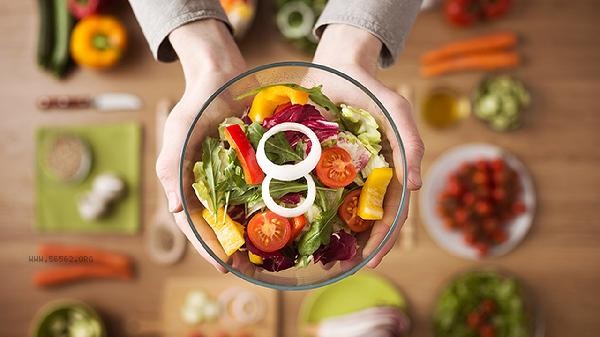
In daily diet, attention should be paid to the rationality of food combination. When consuming seafood, it is advisable to pair it with mild and easily digestible vegetables and fruits, such as apples, cabbage, etc., and drink warm water in moderation to promote metabolism. Avoid overeating and consuming seafood with large amounts of chilled drinks or alcohol to prevent irritation of the gastrointestinal mucosa. If discomfort symptoms such as abdominal pain, vomiting, or rash occur after consumption, one should immediately stop eating and seek medical attention promptly. Symptomatic treatment should be carried out under the guidance of a professional doctor. Do not blindly take medication on your own. At the same time, keep a record of your diet to check for allergens and maintain a regular schedule to enhance the body's immunity.



Comments (0)
Leave a Comment
No comments yet
Be the first to share your thoughts!