
When a child has eczema, mothers usually do not need to completely avoid certain foods, but it is recommended to temporarily avoid consuming seafood, milk, eggs, nuts, and spicy foods that may cause allergies.
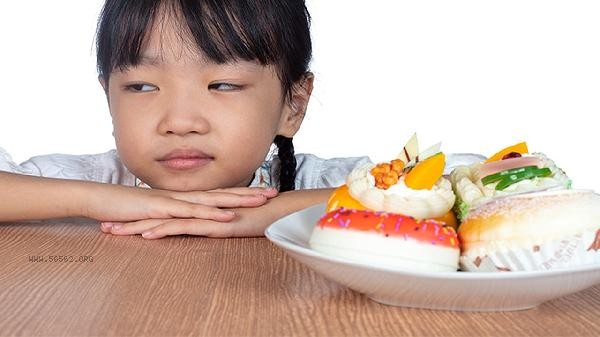
1. Seafood
Some children's eczema may be related to genetic allergies. After mothers consume seafood such as shrimp, crab, shellfish, etc., heterologous proteins may be transmitted through milk, inducing or aggravating symptoms such as skin redness, papules, and severe itching in children. If such factors are suspected, the mother should suspend consumption of related seafood, observe changes in the child's rash, and if necessary, follow the doctor's advice to use loratadine syrup, cetirizine drops, or calamine lotion to alleviate symptoms.
2. Milk based
Milk protein is one of the common allergens in infants and young children. Mothers who consume large amounts of milk or dairy products may cause gastrointestinal discomfort in children, accompanied by worsening eczema, manifested as dry skin, flaking, and exudation. At this point, the mother needs to adjust her diet structure and switch to a deeply hydrolyzed formula or plant-based protein source. Under the guidance of a doctor, she should also consider giving her child local care with Dinide cream, Hydrocortisone Butyrate cream, or Zinc Oxide ointment.
3. Eggs
The egg white protein in egg white has strong allergenicity, which may cause immune reactions in children after mothers consume it, leading to recurrent eczema, accompanied by scratch marks and the risk of secondary infection. Parents should pay attention to recording their diet diary. Once a correlation is found, they should immediately stop consuming egg products and keep their children's skin clean and moist. In severe cases, they can follow the doctor's advice to take chlorpheniramine maleate granules orally or apply mometasone furoate cream topically to control inflammation.
4. Nuts
Peanuts, walnuts, almonds and other nuts are rich in oil and specific proteins, which can easily become potential trigger points for allergies. Mothers who consume them may cause their children's eczema to expand in size, darken in color, and accompanied by irritability and crying. In this regard, mothers should strictly avoid such foods and strengthen daily moisturizing care. If the condition persists and does not improve, they should seek medical attention in a timely manner. Professional physicians should evaluate whether to use tacrolimus cream, pimecrolimus cream, or compound dexamethasone cream for intervention and treatment.
5. Spicy
Spicy and irritating foods such as chili peppers, ginger, garlic, etc. Although they are not direct allergens, they can stimulate sensitive skin in children by changing the composition of breast milk, exacerbating vasodilation and itching, and promoting the development of eczema from mild to moderate or even severe. Mothers should choose a light diet, reduce the use of seasonings, and help children maintain skin barrier function. If symptoms are obvious, antihistamines or weak acting hormone preparations can be used reasonably under the advice of a doctor to assist in improvement. Parents should pay attention to observing their children's reactions to changes in their mother's diet, adjust their dietary structure in a timely manner, ensure nutritional balance, and avoid known allergens; In daily life, children should wear loose cotton clothes to avoid overheating and sweating, and the bath water temperature should not be too high. After washing, timely apply essence free moisturizing cream to keep the skin moist. If eczema has not healed for a long time or there is exudation, crusting, fever and other conditions, you must take the child to the dermatology department of the regular hospital as soon as possible to receive standard diagnosis and treatment.



Comments (0)
Leave a Comment
No comments yet
Be the first to share your thoughts!