
supplementing with vitamin D can be done by consuming moderate amounts of deep-sea fish, animal liver, egg yolks, fortified milk, dried mushrooms, and other foods. If the deficiency is severe, follow the doctor's advice to use vitamin D drops, vitamin D2 tablets, calcitriol soft capsules, alpha calcitriol soft capsules, calcium carbonate D3 tablets, and other medications.
I. Deep sea fishes
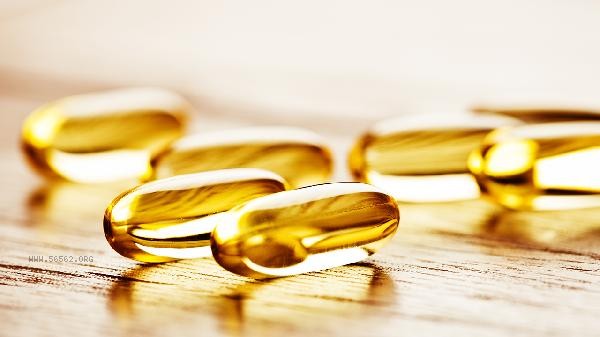
Deep sea fishes are the source of rich vitamin D content in natural foods, mainly including salmon, tuna, sardine, etc. These types of foods not only contain high-quality protein and unsaturated fatty acids, but also help the body obtain more vitamin D, promote calcium absorption and utilization, and maintain bone health. For people who have insufficient intake of dairy products or less sunlight in their daily diet, moderate consumption of deep-sea fish is an effective dietary supplement. It is recommended to consume it two to three times a week, and try to use steaming or low-temperature baking when cooking to reduce nutrient loss and preserve the original flavor of the ingredients.
2. Animal Liver
Animal livers such as chicken liver, pig liver, cow liver, etc. are not only rich in iron and vitamin A, but also a good source of vitamin D. The fat soluble vitamins stored in the liver can be effectively utilized by the human body after moderate consumption, which has a positive significance in preventing rickets and osteoporosis. Due to the relatively high cholesterol content in the liver and the extremely high vitamin A content, excessive consumption may pose a risk of poisoning, so frequent and large consumption is not recommended. It is generally recommended to consume two to three times a month, with each time weighing around 50 grams, and to pair it with vegetables and fruits to balance nutrition and reduce metabolic burden.
III. Egg Yolk
Egg yolk contains a small amount of vitamin D. Although the content of a single egg is not as high as that of deep-sea fish, its cumulative supplementation effect cannot be ignored as it is a frequently consumed food ingredient in daily life. The vitamin D in egg yolks mainly exists in the lipid part, so cooking whole eggs can provide more complete nutrition than eating only protein. For the general population other than children, the elderly, and vegetarians, consuming one whole egg per day is a safe and beneficial dietary habit. Egg yolk is also rich in lecithin and various trace elements, which help with the development of the nervous system and maintain cell membrane function. It is a highly cost-effective nutritional supplement food.
Fourth, fortified milk
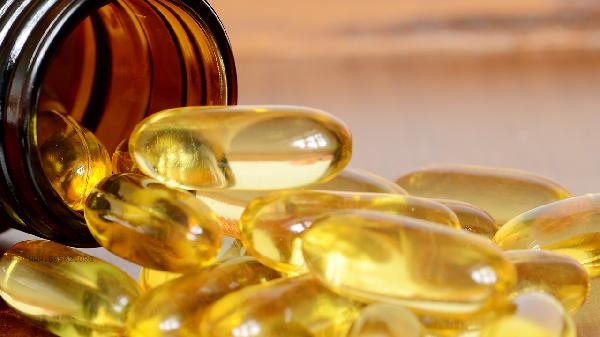
The naturally occurring vitamin D content in ordinary milk is relatively low, but many fortified milk products on the market have artificially added vitamin D during the production process, making it a convenient source of supplementation. This strengthening process allows each glass of milk to provide a significant dose of vitamin D, while milk itself is rich in calcium, and the synergistic effect of the two can greatly increase bone density. When choosing this type of product, it is necessary to check the nutrition chart to confirm whether vitamin D fortified information is labeled. For lactose intolerant individuals, they can choose yogurt or milk fortified with vitamin D, which can also achieve the purpose of supplementation and are easier to digest and absorb.
5. Dried shiitake mushrooms
Dried shiitake mushrooms are one of the few plant-based foods that contain vitamin D. Especially dried shiitake mushrooms that have been exposed to sunlight, their ergosterol is converted into vitamin D2. Compared to fresh shiitake mushrooms, the drying process combined with ultraviolet radiation can significantly increase the content of vitamin D. For vegetarians or those who dislike meat, regularly consuming dried mushrooms after soaking is an ideal choice for supplementing vitamin D. Drying dried shiitake mushrooms in sunlight before cooking can increase their nutritional value. Mushrooms are also rich in dietary fiber and polysaccharides, which help regulate immunity and improve intestinal environment.
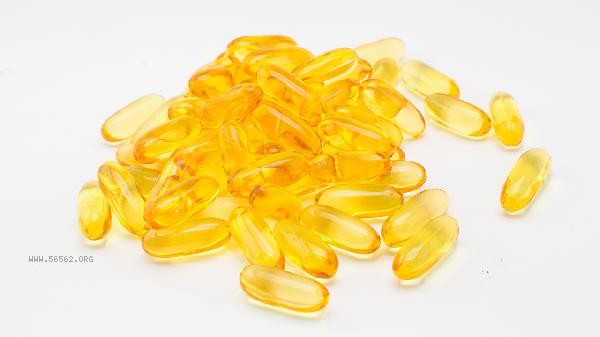
Moderate outdoor activities should be maintained in daily life, allowing direct skin contact with sunlight to promote the synthesis of vitamin D in the body. Attention should be paid to avoiding direct exposure to strong ultraviolet rays at noon to prevent sunburn. In terms of diet, it is important to pay attention to balanced combinations and not rely solely on one type of food. At the same time, it is important to control the total intake of high-fat and high cholesterol foods. If symptoms such as muscle weakness, bone pain, frequent fractures, or delayed growth and development in children occur, it suggests that there may be a serious vitamin D deficiency. At this time, relying solely on food may not meet the needs. It is necessary to seek medical attention promptly at a regular hospital, undergo blood testing under the guidance of professional doctors, and use medication preparations in a standardized manner for treatment. Do not blindly increase the dosage or take excessive doses for a long time on your own to avoid adverse reactions such as vitamin D poisoning and hypercalcemia.








Comments (0)
Leave a Comment
No comments yet
Be the first to share your thoughts!