
Liver function tests can mainly screen for liver and gallbladder diseases such as viral hepatitis, alcoholic liver disease, fatty liver, cirrhosis, and liver cancer. Liver function tests evaluate whether the liver's synthesis, metabolism, excretion, and detoxification functions are impaired by detecting various enzymes, proteins, bilirubin, and other indicators in the blood.
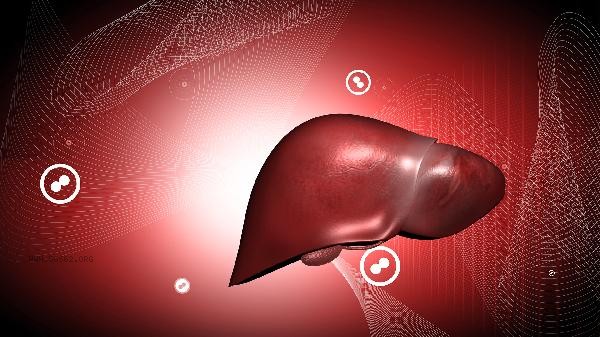
1. Viral hepatitis:
This is one of the most common screening targets for liver function tests. When the liver is infected with hepatitis A, B, C and other hepatitis viruses, liver cells undergo inflammation and necrosis, leading to the release of large amounts of transaminases such as alanine aminotransferase and aspartate aminotransferase into the bloodstream. The test results will show a significant increase in the levels of these enzymes. Patients may have symptoms such as fatigue, decreased appetite, nausea, jaundice, etc. In treatment, it is usually necessary to follow the doctor's advice and use antiviral drugs such as entecavir tablets and tenofovir disoproxil tablets, combined with liver protective drugs such as silibinin capsules, while emphasizing rest and nutritional support.
2. Alcoholic liver disease:
Long term heavy alcohol consumption can directly damage liver cells. Liver function tests can show a significant increase in glutamyl transpeptidase, which is often a sensitive indicator of alcoholic liver injury. At the same time, transaminases can also be mildly to moderately elevated. The patient may be asymptomatic in the early stages, but may experience liver pain and bloating in the later stages. The core of treatment is strict abstinence from alcohol and the use of medications such as polyene phosphatidylcholine capsules under the guidance of a doctor to help repair liver cell membranes, combined with supplementation of B vitamins to promote liver recovery. 3. Fatty liver disease: Non alcoholic fatty liver disease is very common in modern populations, and liver function tests often show mild elevation of transaminases, and gamma glutamyl transpeptidase may also be elevated. Patients usually have no obvious discomfort or only a feeling of fatigue. The treatment mainly relies on lifestyle interventions, including controlling total calorie intake, increasing aerobic exercise, and if necessary, following medical advice to use metformin tablets to improve insulin resistance, or using ursodeoxycholic acid capsules to help improve intrahepatic bile stasis and lipid metabolism.
4. Cirrhosis:
When the liver enters the fibrotic stage after long-term damage, liver function tests will show characteristic changes: albumin levels decrease, while globulin levels may increase, leading to an inverted white to globulin ratio; At the same time, bilirubin levels increase and prothrombin time prolongs. Patients may present with symptoms such as ascites, lower limb edema, and skin spider nevi. Treatment should be targeted at the cause, such as antiviral therapy or alcohol withdrawal, and follow medical advice to use diuretics such as spironolactone tablets to control ascites. Lactulose oral solution should be used to prevent hepatic encephalopathy, and in severe cases, liver transplantation evaluation should be considered.
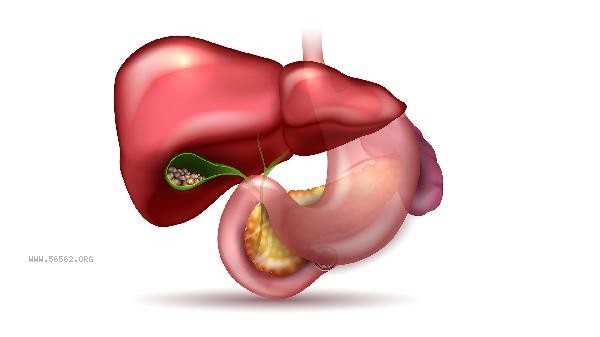
5. Liver cancer: Although liver function tests cannot directly diagnose liver cancer, they can provide important clues. In addition to the abnormal indicators related to liver cirrhosis mentioned above, alpha fetoprotein, a tumor marker, is significantly elevated and can be used in conjunction with imaging examinations to assist in diagnosis. The patient may experience persistent pain in the upper right abdomen, unexplained weight loss, and worsening jaundice. Treatment should be selected based on the stage, including surgical resection, hepatic artery chemoembolization, or targeted drugs such as sorafenib tablets and lenvatinib capsules, combined with liver protection support therapy. Regular liver function tests are an important means of maintaining liver health. It is recommended to maintain a balanced diet, avoid excessive alcohol consumption, control weight, and avoid drug abuse. If there are abnormalities in the examination results, medical attention should be sought in a timely manner. The doctor should further examine the diagnosis based on medical history and imaging, and develop an individualized treatment plan. Pay attention to regular daily routines and avoid staying up late, which has a positive effect on protecting liver function.









Comments (0)
Leave a Comment
No comments yet
Be the first to share your thoughts!