
If any problems are found during the physical examination, you can go to the physical examination center for follow-up at the outpatient clinic, general medicine department, or corresponding specialized outpatient clinic. The departments corresponding to common abnormal physical examination items mainly include internal medicine, surgery, endocrinology, gastroenterology, cardiovascular medicine, etc.

1. Physical Examination Center Review Outpatient
Most hospital physical examination centers have review clinics that can provide preliminary interpretation and triage of abnormal indicators in physical examination reports. The doctor will recommend further consultation with a specialist or arrange for a follow-up examination based on abnormal blood routine, ultrasound nodules, and other issues. For example, the discovery of thyroid nodules may be referred to endocrinology, while breast nodules may be referred to breast surgery.
2. General Practice Medicine
General Practice Medicine is suitable for preliminary assessments involving multiple system abnormalities. When liver dysfunction accompanied by elevated blood sugar is detected during a physical examination, a general practitioner can coordinate a consultation between the liver disease department and the endocrinology department. General practitioners can also provide comprehensive management plans for chronic disease risk factors such as hypertension and hyperlipidemia.
3. Internal Medicine
Abnormal blood routine such as anemia and leukopenia can be referred to the Hematology Department; Positive urine protein and elevated creatinine suggest seeking medical attention in the nephrology department; Elevated alanine aminotransferase requires screening for liver and gallbladder diseases, and gastroenterology should be selected. Physicians will prescribe targeted examinations based on testing indicators, such as gastroscopy, hepatitis virus screening, etc.
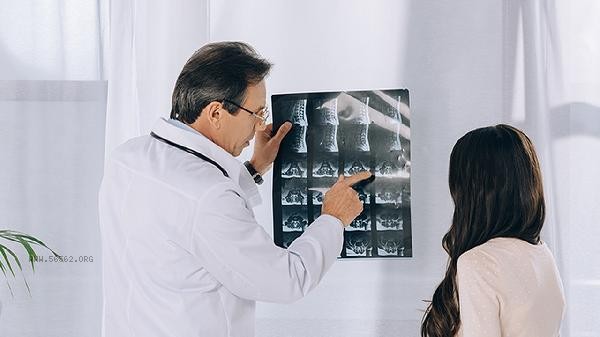
4. Surgical
Physical examination reveals surface masses, thyroid nodules, and breast nodules that require general surgery or specialized surgery. If ground glass nodules are found on lung CT, patients should seek medical attention from thoracic surgery. For gallbladder polyps or renal cysts, patients can consult hepatobiliary surgery or urology. The surgeon will evaluate the nature of the lesion and decide whether a biopsy or surgical intervention is necessary.
5. Specialized outpatient
ECG ST segment changes require consultation with the cardiovascular department, and elevated tumor markers should be consulted with the oncology department. Female HPV positive patients should be referred to the gynecology department, and those with abnormal prostate-specific antigen should see the urology department. Specialist doctors will develop personalized diagnosis and treatment plans based on physical examination results and clinical manifestations. After the physical examination, it is recommended to bring the complete original report to the hospital to avoid repeated examinations. For critical or mildly abnormal indicators, a follow-up examination can be conducted 1-3 months later to determine whether to seek medical attention. Organizing medical history, family history, and medication records before seeking medical attention can help doctors accurately determine the cause of abnormal physical examinations. If there are multiple anomalies at the same time, priority can be given to handling projects with higher severity.









Comments (0)
Leave a Comment
No comments yet
Be the first to share your thoughts!