
Slow brain response may be caused by factors such as insufficient sleep, excessive stress, malnutrition, brain diseases, and aging.

1. Lack of sleep
Long term lack of sleep can lead to metabolic disorders in brain nerve cells, affecting the speed of information transmission. Sleep is an important period for the brain to clear metabolic waste. When there is a lack of deep sleep, harmful substances such as beta amyloid are prone to accumulate, leading to cognitive decline. Maintaining 7-9 hours of high-quality sleep every day can help restore mental health.
2. Excessive stress
Chronic stress can continuously stimulate the secretion of cortisol, which can damage hippocampal neurons. Long term exposure to high pressure may lead to atrophy of the prefrontal cortex, which is responsible for logical thinking and quick decision-making. Mindfulness meditation and moderate exercise can effectively alleviate the negative effects of stress on the brain.
3. Malnutrition
Lack of key nutrients such as vitamin B and omega-3 fatty acids can affect nerve conduction function. Insufficient iron may lead to brain tissue hypoxia and reduce reaction speed. Balanced intake of deep-sea fish, nuts, dark vegetables and other foods can provide necessary nutrients for the brain.
4. Brain diseases
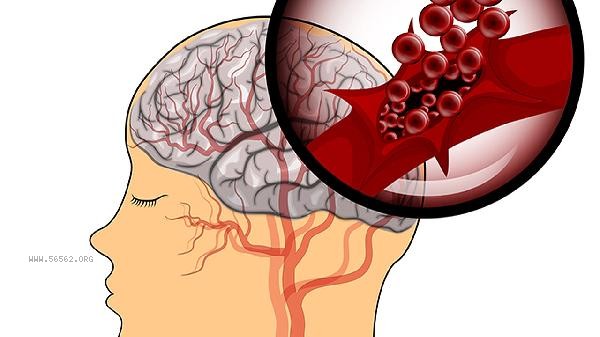
Organic diseases such as cerebral arteriosclerosis and early Alzheimer's disease can directly damage brain cells. Endocrine problems such as hypothyroidism may also manifest as delayed thinking. This type of situation requires clear diagnosis through medical methods such as head CT and blood tests, and timely targeted treatment. During natural aging, the secretion of neurotransmitters in the brain decreases and synaptic plasticity decreases. After the age of 50, the myelin sheath gradually degrades, and the nerve signal transmission speed decreases by a certain proportion every year. Persisting in aerobic exercise and learning new skills can effectively delay age-related cognitive decline. Improving brain response speed requires multidimensional intervention. While ensuring sufficient sleep, one can also engage in sports training such as table tennis and dance that require quick reflexes. Add foods rich in antioxidants such as blueberries and dark chocolate to your diet, and avoid high sugar and high-fat diets. If there is a sustained significant decline in cognitive function, it is recommended to seek medical attention as soon as possible to check for organic diseases. Usually, one can maintain neural activity through mental activities such as Sudoku and memory training, and pay attention to balancing work and rest to avoid excessive use of the brain.







Comments (0)
Leave a Comment
No comments yet
Be the first to share your thoughts!