
Low red blood cell count may be caused by nutritional deficiency, chronic blood loss, bone marrow suppression, hemolytic anemia, kidney disease, and other reasons. Targeted treatment should be taken based on specific causes.
1. Nutritional deficiency:
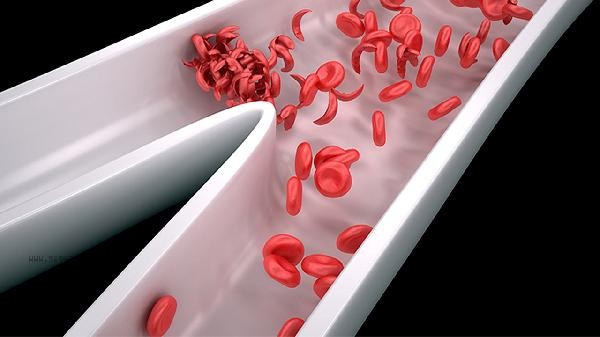
Insufficient intake of iron, vitamin B12, or folate can affect red blood cell production. Long term vegetarianism, digestive absorption disorders, or increased demand during pregnancy can all lead to a lack of hematopoietic raw materials. Daily intake of foods rich in iron and folate, such as animal liver and dark green vegetables, should be increased. In severe cases, iron supplements or vitamin preparations should be taken under the guidance of a doctor.
2. Chronic blood loss:
Recurrent bleeding from digestive ulcers, hemorrhoids, or excessive menstruation in women can cause sustained loss of iron. This type of blood loss is often concealed and slow, and may be accompanied by symptoms such as fatigue and pale complexion. It is necessary to clarify the bleeding point through gastrointestinal endoscopy and other examinations, and to cooperate with iron treatment to correct the primary disease.
3. Bone marrow suppression:
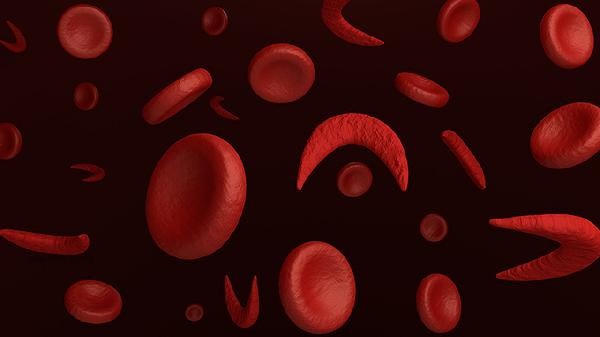
Radiation exposure, chemotherapy drugs, or aplastic anemia can suppress bone marrow hematopoietic function. The patient may experience a decrease in whole blood cells and requires bone marrow puncture for diagnosis. Treatment includes discontinuing pathogenic drugs, immunosuppressants, or hematopoietic stem cell transplantation.
4. Hemolytic anemia:
Hereditary spherocytosis, thalassemia, or autoimmune diseases can lead to premature destruction of red blood cells. The typical symptoms are jaundice and splenomegaly, which can be diagnosed through tests such as Coomb's test. Mild patients need to supplement with folic acid, while severe cases require glucocorticoid or splenectomy.
5. Kidney disease:
Chronic kidney disease will lead to insufficient secretion of erythropoietin, which is common in patients with diabetes nephropathy or hypertensive kidney damage. Manifested as elevated blood creatinine accompanied by anemia, it needs to be improved by subcutaneous injection of recombinant human erythropoietin, while controlling underlying diseases such as blood pressure and blood glucose.
It is recommended that individuals with low red blood cell count regularly monitor their blood routine indicators, and pay attention to supplementing high-quality protein and copper containing foods such as oysters and nuts in their daily diet to promote iron absorption. Avoid aggravating hypoxia symptoms through intense exercise, and if there is no improvement for a long time, it is necessary to investigate hidden causes such as malignant tumors. Elderly patients with progressive anemia should undergo comprehensive screening for tumor markers, and women of childbearing age should pay attention to changes in menstrual flow and promptly correct their iron deficiency status.








Comments (0)
Leave a Comment
No comments yet
Be the first to share your thoughts!