
Low blood pressure after gastrointestinal bleeding is caused by a large amount of blood loss leading to insufficient blood volume, which in turn causes a decrease in blood pressure. Timely supplementation of blood volume, hemostatic treatment, and monitoring of vital signs are key. The treatment methods include drug therapy, endoscopic therapy, and surgical treatment.

1. Causes of gastrointestinal bleeding: Gastrointestinal bleeding may be caused by various factors, including gastric ulcers, duodenal ulcers, esophageal varices, gastric cancer, etc. These diseases cause blood vessel rupture, significant blood loss, decreased blood volume, and decreased blood pressure.
2. Mechanism of low blood pressure: When there is a large amount of gastrointestinal bleeding, blood loss leads to a sharp decrease in blood volume, and the heart cannot effectively pump blood, resulting in a decrease in blood pressure. Hypotension may cause shock and be life-threatening.
3. Treatment method:
Drug therapy: Use hemostatic drugs such as tranexamic acid and vitamin K, as well as vasopressors such as dopamine and norepinephrine.
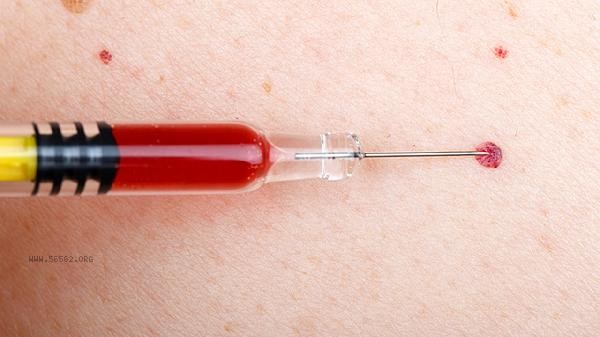
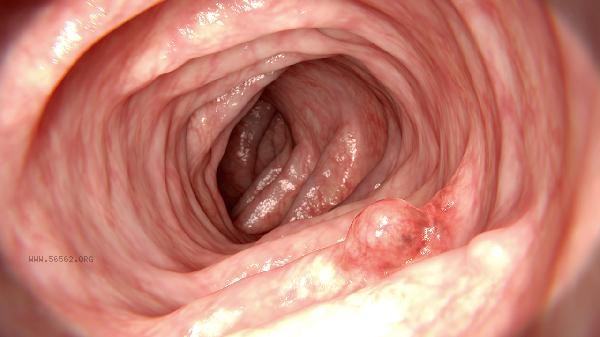
Endoscopic treatment: Hemostasis is achieved through endoscopy, such as electrocoagulation, laser, injection of sclerosing agents, etc. Surgical treatment: For severe bleeding, surgical hemostasis may be necessary, such as subtotal gastrectomy, vascular ligation, etc.
4. Monitoring and nursing: During the treatment process, closely monitor the patient's vital signs, including blood pressure, heart rate, respiration, etc. Keep the patient lying flat, avoid vigorous exercise, and ensure unobstructed respiratory tract.
5. Preventive measures: For patients at risk of gastrointestinal bleeding, regular gastroscopy should be performed to promptly detect and treat potential gastrointestinal diseases. Maintain a healthy lifestyle, avoid excessive drinking and smoking, and reduce the intake of stimulating foods. Low blood pressure after gastrointestinal bleeding is an emergency situation that requires timely medical treatment. Through drug therapy, endoscopic therapy, and surgical treatment, bleeding can be effectively controlled and blood pressure restored. Meanwhile, preventive measures and lifestyle adjustments are also important means to reduce the risk of gastrointestinal bleeding. Regular physical examinations and health management are of great significance in preventing gastrointestinal bleeding.








Comments (0)
Leave a Comment
No comments yet
Be the first to share your thoughts!