
Eyecorner spots may be related to genetic factors, ultraviolet radiation, endocrine disorders, skin aging, local inflammation, and other factors. Long spots at the corners of the eyes are usually manifested as skin pigmentation, which can be improved through sun protection care, medication treatment, laser therapy, and other methods.
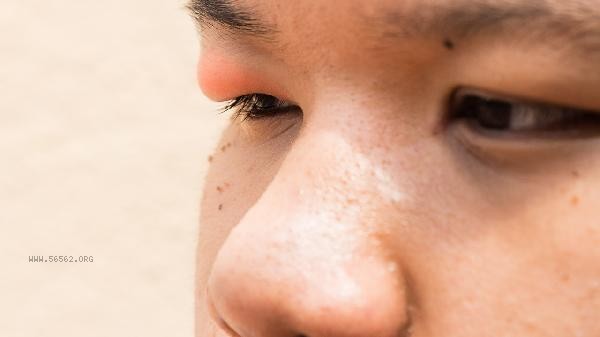
1. Genetic factors
Some populations are prone to eye pigmentation due to familial inheritance, manifested as symmetrical light brown spots appearing in childhood or adolescence. This type of pigmentation usually does not require special treatment, and daily sun protection should be strengthened to avoid worsening. If necessary, external medications such as hydroquinone cream and vitamin A yogurt cream can be used according to medical advice to assist in fading.
2. Long term exposure to sunlight can lead to active melanocytes in the skin around the eyes, forming sunspots or sunspots. This type of pigmentation is often irregularly distributed and accompanied by rough skin. It is recommended to use sunscreen with an SPF of 30 or above daily, combined with physical shading measures. For stubborn pigmentation, Q-switched laser treatment may be considered.
3. Endocrine disorders
Pregnancy, oral contraceptives, or thyroid dysfunction may cause changes in estrogen levels and induce melasma. Often manifested as diffuse brownish patches on both cheekbones and around the eyes. It is necessary to check endocrine diseases, and use oral drugs such as tranexamic acid tablets, glutathione tablets, and external preparations such as tranexamic acid essence.
4. Skin aging
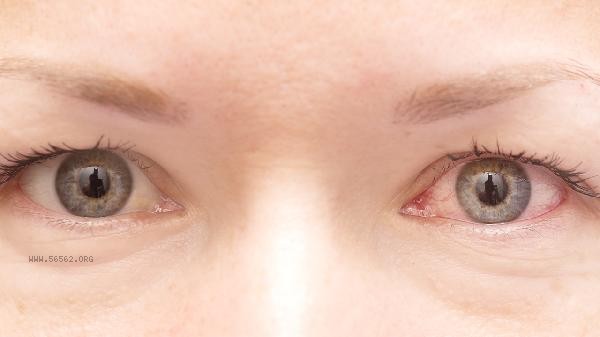
The middle-aged and elderly population may develop senile pigmentation due to slowed skin metabolism and abnormal replacement of keratinocytes. Often accompanied by dry skin and deepening texture. It can promote keratin renewal through fruit acid skin rejuvenation, and improve uneven skin tone with skincare products containing vitamin C derivatives and niacinamide.
5. Localized inflammation
Chronic dermatitis, repeated rubbing of the eyes, and other stimuli can cause post inflammatory pigmentation, manifested as indistinct gray brown patches. Primary skin diseases need to be treated to avoid friction and irritation. In the acute phase, compound glycyrrhizin tablets can be used to control inflammation, and later combined with levovitamin C infusion therapy.
Daily attention should be paid to avoiding excessive cleaning of the skin around the eyes and choosing gentle and non irritating makeup remover products. Wear UV resistant sunglasses when going out, and supplement your diet with nuts rich in vitamin E. If the pigmentation rapidly increases, the color is uneven, or accompanied by bleeding in the short term, timely medical attention should be sought to rule out the possibility of malignant lesions.








Comments (0)
Leave a Comment
No comments yet
Be the first to share your thoughts!