
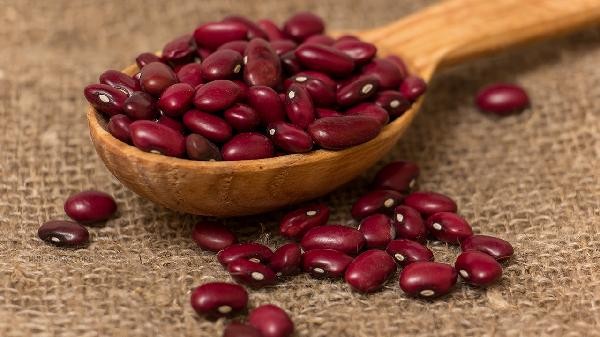
There is no food that cannot be eaten together with red beans, and it is usually safe to consume them in daily meals. It is important to pay attention to moderate intake, allergies due to special constitution, weak gastrointestinal function, avoiding excessive consumption with high tannic acid foods, and carefully pairing with cold ingredients.
1. Moderate intake
Red beans are rich in dietary fiber and plant protein, and moderate consumption can help promote intestinal peristalsis and supplement nutrients. If consumed excessively at once, whether or not accompanied by other foods, it may lead to increased gastrointestinal burden, causing bloating or indigestion. It is recommended to include red beans as a part of miscellaneous grains in daily diet, control single intake, chew slowly, to ensure that the digestive system can smoothly process the fiber components and maintain normal gastrointestinal function.
2. Special constitution allergies
Some people may have allergic reactions to soy protein. These people need to be extra cautious when consuming red beans, as any combination of food may trigger allergic symptoms such as rash, itching, or difficulty breathing. Individuals known to be allergic to legumes should avoid consuming red beans and their products. If you are unsure if you are allergic, you should consume a small amount and observe your body's reaction when trying for the first time. If you experience discomfort, you should immediately stop consuming and seek medical help to prevent further aggravation of allergy symptoms.
3. Weak gastrointestinal function
When people with weak gastrointestinal function consume red beans, if they also consume a large amount of difficult to digest food, it may exacerbate stomach discomfort. Red bean skin is relatively hard, and if cooked not soft enough, it can easily irritate the gastric mucosa. Such people suggest boiling red beans until they are soft and rotten into Congee or eating them in a paste, so as to reduce the consumption of large amounts of red beans at the same time with other high fiber or greasy foods, so as to reduce the digestive pressure of the gastrointestinal tract and alleviate the possible stomach pain or acid reflux symptoms.
4. Avoid eating in large quantities with high tannic acid foods
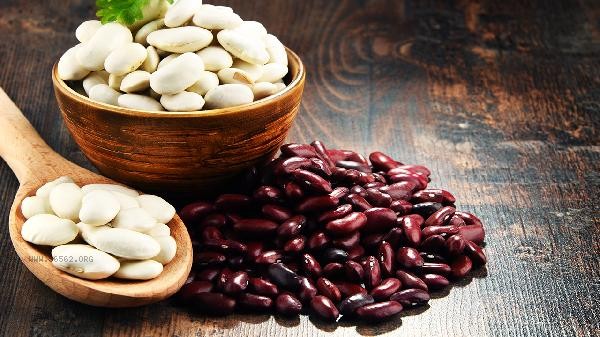
Red beans are rich in iron and protein. If consumed in large quantities with high tannic acid foods such as tea and persimmons, tannic acid may combine with protein to form indigestible precipitates or affect iron absorption efficiency. Although occasionally consuming small amounts together is usually not a big deal, long-term and large combinations may reduce nutritional value or cause mild gastrointestinal discomfort. It is recommended to drink strong tea or consume high tannic acid fruits at intervals before and after consuming red beans to ensure maximum nutrient absorption. From the perspective of traditional Chinese medicine dietary therapy, red beans have a certain effect on promoting diuresis and reducing swelling, with a gentle and slightly warm nature. However, if consumed in large quantities with a large amount of cold ingredients such as crabs and bitter gourd, it may cause abdominal pain or diarrhea for people with weak constitution. This is not the toxicity caused by food competition, but the impact of food properties on specific physical conditions. It is recommended that people with weak and cold constitution add ginger isothermal seasoning to neutralize or reduce the proportion of cold ingredients when pairing, in order to maintain the balance of yin and yang in the body.
In daily diet, it is important to maintain a variety of foods. Red beans can appear regularly as high-quality miscellaneous grains on the dining table. When cooking, it is important to ensure that they are fully cooked to break down the anti nutritional factors present. During consumption, pay attention to observing the body's reactions. If there are persistent gastrointestinal discomfort or allergic symptoms, seek medical attention promptly. Normally, moderate and gentle exercise such as walking can be combined to promote digestion, avoid lying down immediately after meals, maintain a regular sleep schedule, drink plenty of water to assist dietary fiber in promoting bowel movements, and better absorb the health benefits of red beans to maintain a good physical condition.



Comments (0)
Leave a Comment
No comments yet
Be the first to share your thoughts!