
The main routine physical examination items for men include blood routine, urine routine, liver function, kidney function, blood lipids, fasting blood glucose, electrocardiogram, abdominal ultrasound, chest X-ray, and prostate-specific antigen test for men.
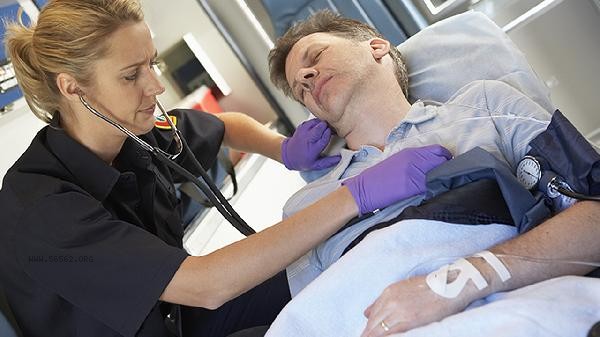
1. Blood routine examination:
Blood routine examination evaluates whether there is a risk of infection, anemia, or blood system diseases in the body by analyzing indicators such as red blood cells, white blood cells, and platelets in the blood. For example, an increase in white blood cell count may indicate an inflammatory response in the body, while a decrease in red blood cells and hemoglobin may be related to anemia. This examination can help identify early health hazards and is recommended to be conducted once a year.
2. Routine urine test:
Routine urine test is mainly used to detect protein, glucose, red blood cells, white blood cells and other components in the urine for screening kidney disease, urinary tract infection, diabetes and other problems. For example, a positive urine protein may indicate impaired glomerular filtration function, while a positive urine glucose may require further investigation of blood glucose abnormalities. When collecting urine, it is recommended to take mid stream urine to avoid contamination that may affect the results.
3. Liver function and kidney function:
Liver function tests include indicators such as alanine aminotransferase, aspartate aminotransferase, total bilirubin, etc., reflecting liver metabolism and detoxification ability. Abnormalities may be related to fatty liver, hepatitis, or drug-induced liver injury. Renal function tests evaluate renal excretion function through blood creatinine, urea nitrogen, and other indicators. Elevated values should alert to chronic kidney disease. These two tests are particularly important for men who have been drinking, taking drugs or suffering from hypertension or diabetes for a long time.
4. Four items of blood lipids and fasting blood glucose:
Four items of blood lipids include total cholesterol, triglycerides, high-density lipoprotein cholesterol and low-density lipoprotein cholesterol, which are used to assess the risk of atherosclerosis. Fasting blood glucose can screen diabetes or abnormal glucose tolerance. For example, elevated low-density lipoprotein cholesterol is an independent risk factor for cardiovascular and cerebrovascular diseases, while fasting blood glucose exceeding the normal range requires further diagnosis through oral glucose tolerance testing.
5. Electrocardiogram and Abdominal Ultrasound:
Electrocardiogram can record cardiac electrical activity, detect arrhythmia, myocardial ischemia and other problems, and is suitable for men with chest tightness, palpitations or a family history of heart disease. Abdominal ultrasound examination of the liver, gallbladder, pancreas, spleen, kidneys, and prostate can screen for common lesions such as fatty liver, gallbladder polyps, kidney stones, and prostate hyperplasia. For example, if ultrasound detects an increase in prostate volume accompanied by calcifications, it is necessary to make a comprehensive judgment based on the results of prostate-specific antigen.
6. Chest X-ray and prostate-specific antigen:
Chest X-ray is used to screen for lung inflammation, tuberculosis, or space occupying lesions. Men who smoke or come into contact with dust for a long time are recommended to undergo regular check ups. Prostate specific antigen is a tumor marker for prostate cancer. Men over 40 years old are recommended to undergo routine physical examination. If the value increases, prostatitis, prostate hyperplasia, or prostate cancer may be ruled out. If necessary, rectal digital examination or prostate biopsy should be performed to confirm the diagnosis.

It is recommended that men choose physical examination items based on age, family history, and lifestyle habits, such as adding gastroscopy examination for those over 40 years old, and adding low-dose spiral CT screening for lung cancer for those with a history of smoking. Maintain a light diet before the physical examination, avoid drinking alcohol and vigorous exercise, and take blood on an empty stomach for 8-12 hours. If abnormal indicators are found, seek medical attention and follow-up in the corresponding department in a timely manner. Do not self medicate or ignore the results.








Comments (0)
Leave a Comment
No comments yet
Be the first to share your thoughts!