
The routine physical examination items usually include basic examination, laboratory examination, instrument examination, etc., mainly including height and weight measurement, blood pressure testing, blood routine, urine routine, liver function examination, kidney function examination, electrocardiogram, chest X-ray, abdominal ultrasound, etc.

1. Basic examination
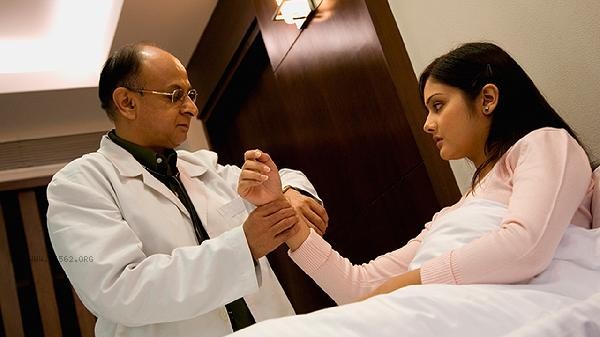
Basic examination is a routine item of physical examination, including height, weight, blood pressure measurement, etc. The body mass index can be calculated based on height and weight to preliminarily determine whether there is overweight or obesity. Blood pressure monitoring can help detect high or low blood pressure issues. Doctors will also conduct simple physical examinations such as visual, palpation, and auscultation to preliminarily assess the health status of various systems in the body.
2. Laboratory Testing
Laboratory testing mainly involves collecting body fluid samples such as blood and urine for testing. A blood routine can determine the quantity and morphology of red blood cells, white blood cells, and platelets, and determine whether there are problems such as anemia and infection. Routine urine examination can find urinary system diseases, diabetes and other abnormalities. Liver function tests include indicators such as transaminase and bilirubin, which reflect the health status of the liver. Renal function tests evaluate kidney function through indicators such as creatinine and urea nitrogen.
3. Instrument Inspection
Instrument inspection mainly uses medical equipment for non-invasive or invasive examinations. Electrocardiogram can record cardiac electrical activity and help diagnose heart problems such as arrhythmia and myocardial ischemia. Chest X-ray examination can detect diseases such as lung inflammation, tuberculosis, and tumors. Abdominal ultrasound examination can observe the morphological and structural changes of abdominal organs such as the liver, gallbladder, pancreas, spleen, and kidneys.

4. Specialized examination
There will be different specialized examination items according to age and gender. Women may need to undergo breast examinations, gynecological examinations, cervical smears, etc. It is recommended to increase tumor marker testing for individuals aged 40 and above. Middle aged and elderly people may consider bone density examination. Individuals with a family history of the disease may require additional special examinations.
5. Other items
Vision and hearing tests are commonly performed during the onboarding physical examination. Some medical examination packages also include oral examination, internal medicine auscultation, etc. According to occupational characteristics, it may be necessary to add occupational health-related projects. Psychological counseling and health risk assessment are gradually being incorporated into modern physical examination content. The physical examination items should be personalized according to individual age, gender, family history, health status, and other factors. It is recommended to have regular physical examinations every year to timely understand one's physical condition. Before the physical examination, it is necessary to pay attention to the fasting requirement, avoid vigorous exercise, and follow the doctor's advice to make relevant preparations. After the physical examination, it is necessary to consult a doctor based on the examination results and undergo further examination or treatment if necessary.








Comments (0)
Leave a Comment
No comments yet
Be the first to share your thoughts!