
The routine gynecological examination items mainly include gynecological double diagnosis, routine vaginal discharge examination, gynecological B-ultrasound examination, cervical TCT and HPV examination, and breast examination.

1. Gynecological double examination:
This is the basic item of gynecological examination. Doctors use one hand to insert into the vagina and the other hand to press on the abdomen to check the general condition of the vagina, cervix, uterus, ovaries, and pelvic cavity. It can preliminarily determine whether there is vaginal malformation, cervical tenderness, abnormal size and position of the uterus, and whether there are lumps or tenderness in the adnexa area. During the examination, it is necessary to empty the bladder and relax the body. If there is obvious pain or discomfort, the doctor should be informed in a timely manner.
2. Routine examination of vaginal discharge:
is used to evaluate the vaginal microbiota environment and determine the presence of pathogen infection. By taking a small amount of vaginal secretions and observing indicators such as cleanliness, trichomonas, mold, and clue cells under a microscope. If the cleanliness is abnormal or pathogens are detected, it may indicate bacterial vaginosis, trichomonas vaginitis, or vulvovaginal candidiasis. Sexual activity, vaginal flushing, and medication should be avoided three days before the examination to avoid affecting the results.
3. Gynecological ultrasound examination:
is divided into two types: transabdominal ultrasound and transvaginal ultrasound, used to observe whether there are organic lesions in the uterus, endometrium, ovaries, fallopian tubes, and pelvic cavity. Abdominal ultrasound requires holding urine, which can clearly display larger uterine fibroids, ovarian cysts, etc; Transvaginal ultrasound does not require holding urine and provides clearer visualization of endometrial polyps, early pregnancy, small fibroids, and ovarian microstructure. This examination is non-invasive and radiation free, and is a commonly used method for screening problems such as uterine fibroids, ovarian cysts, and endometrial thickening.
4. Cervical TCT and HPV testing:
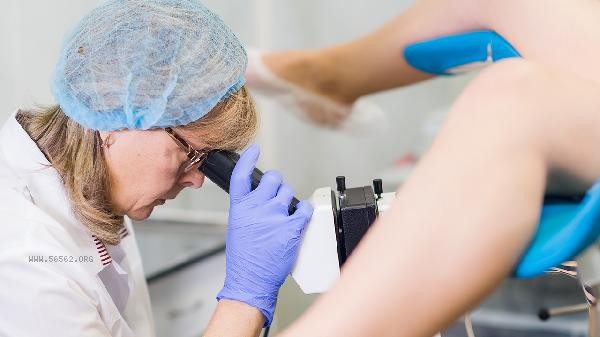
This is the core combination of cervical cancer screening. TCT examination involves collecting cervical exfoliated cells and analyzing their morphology under a microscope to determine if there are any abnormalities; HPV testing tests for high-risk human papillomavirus infection, which is the main pathogenic factor for cervical cancer. The combined screening of the two can greatly improve the detection rate of cervical lesions. It is recommended that women with a history of sexual activity undergo regular check ups, avoid sexual activity and vaginal medication for three days before the check-up, and avoid menstrual periods.
5. Breast examination:
includes breast palpation and breast ultrasound examination. Palpation is performed by a doctor touching the breasts and armpits with their hands to check for lumps, nodules, or nipple discharge; Breast ultrasound can clearly display the internal structure of the breast, distinguish whether the mass is cystic or solid, and has high screening value for dense breast. For women over 40 years old or with a family history of breast cancer, mammography can also be added according to the doctor's recommendations. It is best to choose around one week after the end of menstruation for examination, as the breasts are softer and the results are more accurate. Gynecological examination is an important part of women's health management, and it is recommended that women who engage in sexual activity undergo a routine gynecological examination once a year. Before the examination, sexual activity, vaginal medication, and washing should be avoided. Clothing that is easy to put on and take off should be worn, and the doctor should be truthfully informed of one's menstrual history, marriage and childbearing history, medical history, and current discomfort symptoms. If there is abnormal vaginal bleeding, increased secretion, abdominal pain, or itching of the external genitalia, medical attention should be sought in a timely manner, and there is no need to wait for a fixed physical examination time.








Comments (0)
Leave a Comment
No comments yet
Be the first to share your thoughts!