
Back acne may be related to factors such as excessive sebum secretion, abnormal keratinization of hair follicles, bacterial infections, endocrine disorders, and excessive stress. Back acne, medically known as acne, is mainly characterized by red papules, pustules, or nodules, which may leave pigmentation or scars in severe cases.
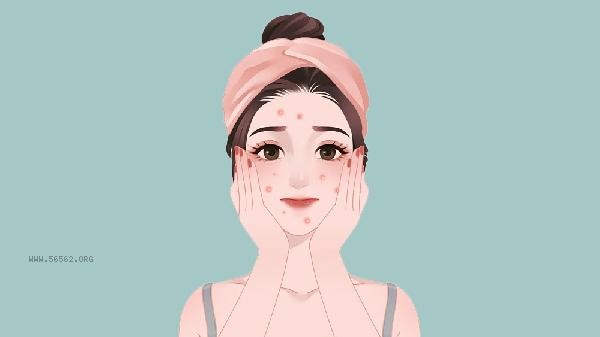
1. Vigorous sebum secretion
The sebaceous glands on the back are densely distributed, and when sebum secretion is excessive, it is easy to clog pores and form acne. Factors such as high temperature and humidity, wearing non breathable clothing, and not cleaning in a timely manner after exercise can exacerbate sebum secretion. Keeping the back clean and dry, choosing breathable cotton clothing can help improve symptoms.
2. Abnormal keratinization of hair follicles
Abnormal proliferation of keratinocytes at the mouth of hair follicles can lead to pore blockage, formation of acne or inflammatory acne. This situation may be related to genetic factors or vitamin A deficiency. Regular use of bath products containing salicylic acid or fruit acid can help soften keratin, but care should be taken to avoid excessive cleaning that can damage the skin barrier.
3. Bacterial infection
Excessive proliferation of microorganisms such as Propionibacterium acnes in hair follicles can trigger inflammatory reactions, leading to redness, swelling, and acne. Sharing towels, not changing bedding frequently, and not cleaning in a timely manner after sweating may increase the risk of infection. In case of serious symptoms, external antibiotics such as clindamycin phosphate gel and fusidic acid cream can be used according to the doctor's advice.
4. Endocrine disorders
Adolescence, menstrual cycle, polycystic ovary syndrome, and other conditions can lead to elevated levels of androgens, stimulating sebaceous gland secretion. This type of acne is often accompanied by worsening before menstruation and simultaneous facial acne. Regulating daily routines and reducing high sugar and high-fat diets can help improve endocrine disorders.
5. Excessive stress
Long term mental stress can stimulate cortisol secretion, indirectly leading to hyperfunction of sebaceous glands. Stress can also reduce the skin's ability to repair and prolong the healing time of acne. Relieving stress and ensuring adequate sleep through exercise, meditation, and other methods have a significant effect on preventing stress-induced acne.
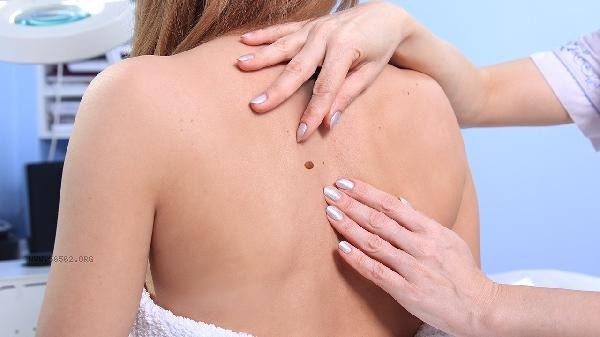
It is recommended to maintain a regular schedule and balanced diet, and reduce the intake of high sugar and high-fat foods. Choose gentle cleaning products in daily life and avoid excessive scrubbing or using irritating skincare products. Clothes and bedding should be regularly changed and cleaned, and bathing should be done promptly after exercise. In case of repeated acne or obvious inflammation, seek medical advice in time to check whether there is endocrine disease or bacterial infection, and use retinoic acid cream, peroxybenzoyl gel and other drugs under the guidance of doctors. Avoid squeezing pimples on your own to prevent infection from spreading or leaving scars.




Comments (0)
Leave a Comment
No comments yet
Be the first to share your thoughts!