
Low red blood cell count may be caused by nutritional deficiency, chronic blood loss, bone marrow suppression, hemolytic anemia, kidney disease, and other reasons. Long term low blood cell count may lead to harm such as hypoxia and organ damage.
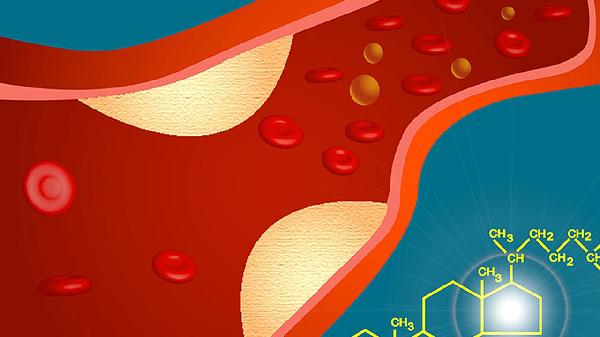
1. Nutritional deficiency:
Insufficient intake of iron, vitamin B12, or folate can affect red blood cell production. Long term vegetarianism, digestive tract absorption disorders, or increased nutritional requirements during pregnancy can all lead to insufficient hematopoietic raw materials. Daily intake of foods rich in iron and folate, such as animal liver and dark green vegetables, should be increased. In severe cases of deficiency, corresponding nutrients should be supplemented under the guidance of a doctor.
2. Chronic blood loss:
Recurrent bleeding from digestive ulcers, hemorrhoids, or excessive menstruation in women can cause sustained loss of iron. This type of blood loss is often concealed and slow, and may be accompanied by symptoms such as fatigue and pale complexion. It is necessary to clarify the bleeding point through gastroscopy and gynecological examination, and to cooperate with iron treatment to correct the primary disease.
3. Bone marrow suppression:
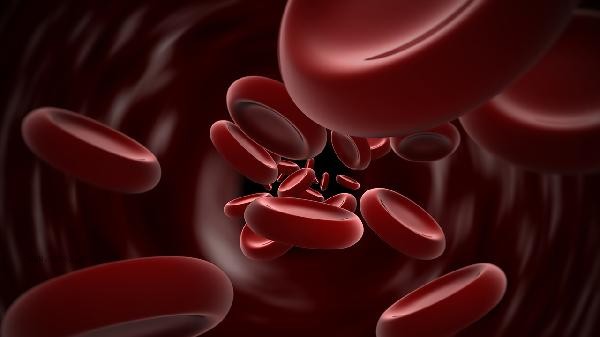
Radiation exposure, chemotherapy drugs, or aplastic anemia can suppress bone marrow hematopoietic function. The patient may experience a decrease in whole blood cells, accompanied by a tendency towards infection and bleeding. Bone marrow aspiration is required to determine the cause, and if necessary, immunosuppressive agents or hematopoietic stem cell transplantation may be used for treatment.
4. Hemolytic anemia:
Hereditary spherocytosis, autoimmune diseases, or malaria infection can accelerate the destruction of red blood cells. Typical manifestations include jaundice, splenomegaly, and laboratory examination showing elevated reticulocytes. Treatment should be targeted at the cause, such as the use of glucocorticoids for immune hemolysis, and splenectomy for genetic diseases.
5. Kidney disease:
Chronic kidney disease can lead to insufficient secretion of erythropoietin, and uremic patients often have positive cell pigment anemia. This type of anemia requires regular monitoring of kidney function, improvement of symptoms through injection of recombinant human erythropoietin, and control of underlying diseases such as blood pressure and blood sugar. People with low red blood cell count should maintain a balanced diet, consume high-quality proteins such as red meat, fish, and beans in moderation, and avoid strong tea and coffee affecting iron absorption. Engaging in 3-5 aerobic exercises such as brisk walking and swimming per week can promote blood circulation, but patients with severe anemia should avoid vigorous exercise. Regularly check blood routine, and seek medical attention promptly if symptoms of hypoxia such as palpitations and difficulty breathing occur. Long term uncorrected anemia may affect heart function and increase the risk of heart failure.








Comments (0)
Leave a Comment
No comments yet
Be the first to share your thoughts!