
The main precautions before undergoing gastroscopy include fasting and water restriction, discontinuation of certain medications, completion of relevant examinations, disclosure of medical history, and adjustment of lifestyle habits. Gastroscopy is an important means of diagnosing diseases of the esophagus, stomach, and duodenum. Proper preparation before the examination is crucial to ensure smooth progress and accurate results.
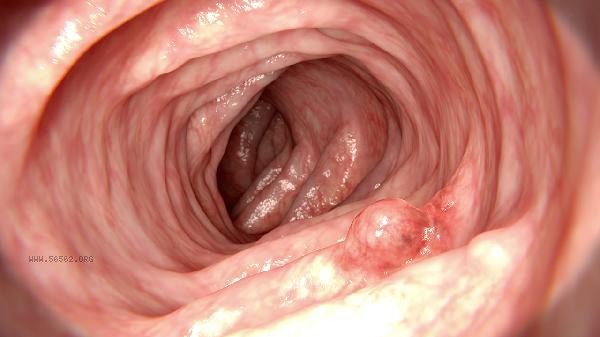
1. Fasting and water deprivation:
It is usually necessary to fast for 8-12 hours and water deprivation for 4-6 hours before the examination. This is because residual food or liquid in the stomach not only blocks the view and affects the doctor's observation of the mucosa, but may also cause nausea, vomiting, and even aspiration during the examination process. If painless gastroscopy is performed, the time requirements for fasting and water prohibition are even stricter, and the stomach contents must be completely emptied to reduce the risk of anesthesia. It is recommended not to eat again after dinner the day before the examination, and not to drink water or take medication in the morning of the examination.
2. Discontinue some medications:
If you are taking anticoagulant or antiplatelet drugs such as aspirin enteric coated tablets, clopidogrel hydrogen sulfate tablets, warfarin sodium tablets, etc., you need to inform your doctor in advance. This type of medication increases the risk of bleeding during biopsy or treatment. Doctors will evaluate whether to discontinue the medication and the timing of discontinuation based on the purpose of the examination and the patient's condition. In addition, the hypoglycemic drugs or insulin used by diabetes patients should also be suspended on the day of examination to prevent hypoglycemia due to fasting. The specific adjustment plan needs to consult the endocrinologist.
3. Improve relevant examinations:
Before gastroscopy, it is usually necessary to complete some basic examinations, including blood routine examination, coagulation function, hepatitis B surface antigen, electrocardiogram, etc. These tests help evaluate the patient's physical condition and determine whether there is anemia, infection, coagulation abnormalities, or heart problems. Especially for older patients or those with underlying diseases, electrocardiogram examination can rule out severe arrhythmia and ensure anesthesia safety. If the examination results are abnormal, the doctor may postpone the gastroscopy examination and deal with the relevant issues first.
4. Medical history disclosure:
Patients need to actively explain their medical history to the doctor, including whether they have chronic diseases such as hypertension, heart disease, chronic obstructive pulmonary disease, cirrhosis, and whether they have a history of drug allergies, especially to anesthetics or sedatives. If it is a female patient, it is also necessary to inform whether she is in menstrual or pregnancy period. These pieces of information can help doctors develop safer examination plans, such as choosing between regular gastroscopy or painless gastroscopy, and whether special measures such as electrocardiogram monitoring are needed.
5. Adjusting lifestyle habits:
Smoking and drinking should be avoided one week before the examination. Smoking can stimulate gastric acid secretion and increase throat sensitivity, while drinking may damage the gastric mucosa and affect the examination results. The day before the inspection, it is recommended to have a light diet and avoid greasy, spicy, or high fiber foods such as fried foods, chili peppers, chives, etc. On the day of inspection, loose and comfortable clothing should be worn, and items such as glasses, dentures, and metal jewelry should be removed. At the same time, it is recommended to have family members accompany you, especially when choosing painless gastroscopy. Within 24 hours after the examination, you cannot drive a vehicle or perform fine operations. Preparation before gastroscopy can significantly improve the comfort and accuracy of the examination. After the examination, wait for the anesthesia effect to completely dissipate before eating. Start with warm and cool liquid foods such as rice soup to avoid burns or irritation of the gastric mucosa. If there are abnormal conditions such as severe abdominal pain, black stool, or vomiting blood, seek medical attention promptly. Pay attention to regular diet, eat small meals frequently, avoid overeating, which helps maintain gastrointestinal health.








Comments (0)
Leave a Comment
No comments yet
Be the first to share your thoughts!