
Pre marital physical examination mainly includes basic items such as blood routine examination, urine routine examination, infectious disease screening, reproductive system examination, and genetic disease counseling.
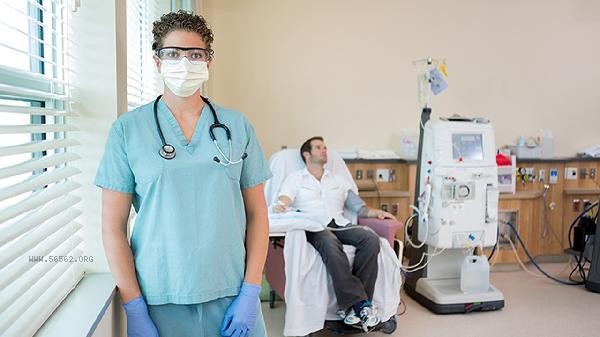
1. Blood routine examination
Blood routine examination can understand the hemoglobin level, white blood cell count, platelet count and other indicators of both parties, which helps to determine whether there is anemia, infection or coagulation dysfunction. A blood routine test can screen for potential issues that may affect fertility or daily health, such as genetic blood diseases like thalassemia.
2. Urine routine examination
Urine routine examination mainly includes the detection of indicators such as urine protein, urine sugar, and urine occult blood, which can preliminarily evaluate kidney function and metabolic status. Abnormal indicators in urine may indicate health problems such as urinary system infection, diabetes or kidney disease, which may affect the quality of life and fertility after marriage.
3. Infectious disease screening
Infectious disease screening usually includes the five items of hepatitis B, treponema pallidum antibody, AIDS virus antibody and other test items. These tests can find infectious diseases that may be transmitted through close contact or mother to child. Among them, hepatitis B is a common infectious disease in China. The test results have important guiding significance for formulating preventive measures and follow-up treatment plans.

4. Reproductive System Examination
Reproductive system examination involves male semen analysis and female gynecological examination. For men, semen analysis can evaluate sperm count, motility, and morphology; For women, gynecological examinations can detect abnormalities in the uterus, fallopian tubes, or ovaries that may affect pregnancy. These issues may all affect the family planning after marriage.
5. Genetic Disease Counseling
Genetic disease counseling mainly determines whether there is a risk of genetic disease by understanding family medical history. If there is a history of consanguineous marriage or genetic disease in both families, more detailed genetic testing may be necessary. Certain genetic diseases such as thalassemia, hemophilia, etc. may have a serious impact on the health of offspring. Knowing in advance can help develop reasonable birth plans. Pre marital physical examination not only helps both parties fully understand their own health status, but also demonstrates responsibility towards their future families and the next generation. It is recommended to avoid vigorous exercise and alcohol consumption before undergoing a physical examination, and women should avoid undergoing examinations during their menstrual period. The physical examination results need to be interpreted by professional doctors, and any abnormal indicators found should be followed up or regularly reviewed according to medical advice. After the physical examination, lifestyle habits can be adjusted based on the results. For example, people who are found to have mild anemia can increase their intake of iron rich foods, and those with abnormal blood sugar should pay attention to controlling the intake of sugar in their diet. Maintaining good health is an important foundation for building a happy marriage.









Comments (0)
Leave a Comment
No comments yet
Be the first to share your thoughts!