
The main physical examination items include blood routine, urine routine, liver function, kidney function, blood glucose, blood lipids, electrocardiogram, chest X-ray, abdominal ultrasound, thyroid function examination, etc. The physical examination items can be adjusted based on factors such as age, gender, and health status. It is recommended to choose a suitable physical examination package according to the doctor's advice.
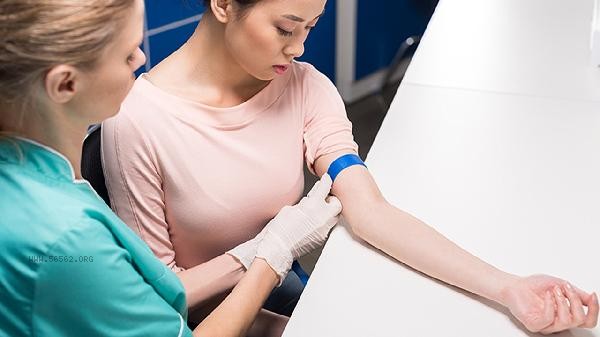
1. Blood routine examination
Blood routine examination is a basic item of physical examination. By detecting indicators such as red blood cells, white blood cells, platelets, etc., it can be understood whether there are problems such as infection and anemia. Blood routine examination usually requires fasting, and vigorous exercise should be avoided before the examination to avoid affecting the results. Abnormal blood routine test results may indicate anemia, infection, blood system diseases, etc. Further examination is needed to clarify the cause.
2. Urine routine
Urine routine examination can reflect the health status of the urinary system. By detecting indicators such as protein, sugar, red blood cells, and white blood cells in urine, it can screen for kidney diseases, urinary tract infections, and other problems. Urine routine examination requires mid stream urine to be collected, and women should avoid the menstrual period for examination. Abnormal results of routine urine examination may indicate nephritis, urinary tract infection, diabetes, etc., which needs to be further diagnosed in combination with other examinations.
3. Liver function
Liver function tests evaluate the metabolism, detoxification, and other functions of the liver by detecting indicators such as transaminase, bilirubin, and albumin. Liver function tests should be performed on an empty stomach, and alcohol and medication that may affect liver function should be avoided before the test. Abnormal liver function may indicate diseases such as hepatitis, fatty liver, cirrhosis, etc. Further examination is needed to clarify the cause and take corresponding treatment measures.
4. Renal function
Renal function examination evaluates the filtration and excretion function of the kidneys by detecting indicators such as blood creatinine, urea nitrogen, and uric acid. Renal function tests also need to be performed on an empty stomach, and high protein diets should be avoided before the test. Abnormal kidney function may indicate diseases such as nephritis and renal failure, and prompt medical attention is needed for further examination and treatment.
5. Electrocardiogram
Electrocardiogram examination can record the electrical activity of the heart, helping to detect problems such as arrhythmia and myocardial ischemia. Electrocardiogram examination is non-invasive and painless. Before the examination, one should remain calm and avoid tension and vigorous exercise. Abnormal electrocardiogram may indicate heart diseases such as coronary heart disease and myocarditis, which require comprehensive judgment based on clinical symptoms and other examination results.

A comprehensive physical examination is an important way to understand one's physical health status. It is recommended to undergo a comprehensive examination once a year to promptly identify potential health problems. Before the physical examination, one should maintain good sleep and dietary habits, avoid drinking alcohol and vigorous exercise. After the physical examination, necessary follow-up or treatment should be conducted under the guidance of a doctor based on the examination results, and lifestyle adjustments should be made to maintain healthy habits.








Comments (0)
Leave a Comment
No comments yet
Be the first to share your thoughts!