
The main neurological examination items include head magnetic resonance imaging, electroencephalogram, transcranial Doppler ultrasound examination, electromyography examination, and nerve conduction velocity measurement.
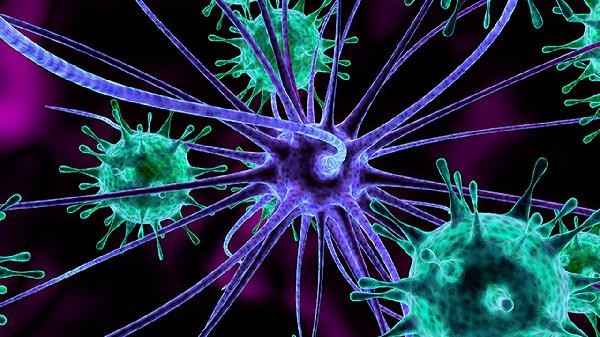
1. Head magnetic resonance imaging
Head magnetic resonance imaging is a non-invasive examination method that can clearly display brain structure and lesions. It is commonly used to screen for neurological diseases such as cerebral infarction, brain tumors, and multiple sclerosis. This examination has no radiation risk, but those with metal implants in their bodies need to inform their doctors in advance.
2. Electroencephalogram
Electroencephalogram evaluates brain functional status by recording brain electrical activity, mainly used for the diagnosis of diseases such as epilepsy, encephalitis, and sleep disorders. During the examination, it is necessary to maintain a calm state, and in some cases, sleep or induction tests may be necessary to obtain more accurate results.
3. Transcranial Doppler Ultrasound
Transcranial Doppler ultrasound evaluates cerebral blood supply by detecting intracranial blood flow velocity, and is suitable for screening diseases such as cerebral vascular stenosis and cerebral arteriosclerosis. This examination is easy to operate and non-invasive, but signal attenuation may occur due to the influence of skull thickness.
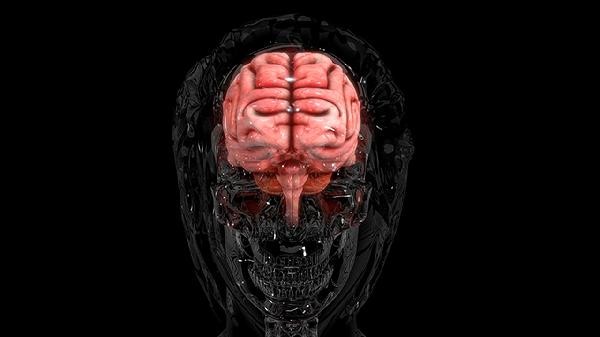
4. Electromyography examination
Electromyography examination assists in the diagnosis of peripheral neuropathy, myogenic diseases, etc. by recording muscle electrical activity, including needle electromyography and surface electromyography. There may be a slight stinging sensation during the examination, but it is generally tolerable and can effectively distinguish between neurogenic and myogenic damage.
5. Measurement of nerve conduction velocity
The measurement of nerve conduction velocity is used to evaluate diseases such as carpal tunnel syndrome and peripheral neuropathy by electrically stimulating peripheral nerves and recording response velocity. This examination can quantify nerve conduction function, but it may be affected by factors such as limb temperature and age. Before undergoing a neurological examination, it is important to maintain a good sleep state and avoid excessive fatigue and vigorous exercise. Fasting items should be fasted according to medical advice, and those with relevant medical history should bring their previous examination data. If you feel dizzy or uncomfortable after the examination, you can rest appropriately. After special examinations, short-term observation may be necessary. Pay attention to maintaining a regular schedule and balanced diet in daily life, avoid staying up late for a long time and excessive use of the brain, and seek medical attention promptly for abnormal symptoms such as headaches and limb numbness.








Comments (0)
Leave a Comment
No comments yet
Be the first to share your thoughts!