
The physical examination for going to the factory usually includes general examination, internal medicine, surgery, facial features examination, blood routine, urine routine, liver function, kidney function, chest X-ray, electrocardiogram and other basic items. The specific project will vary depending on the industry nature, job requirements, and relevant occupational health monitoring standards of the factory. The main purpose is to assess whether employees are suitable for the job and screen for occupational contraindications. The physical examination items are mainly divided into several categories. The basic items are general examinations, including height, weight, blood pressure, pulse and other general examinations, as well as cardiopulmonary auscultation and abdominal palpation in internal medicine, skin, spine, and limb examinations in surgery, and facial examinations such as vision, color vision, and hearing. In terms of laboratory tests, blood routine tests can reflect whether there is infection, anemia, etc., urine routine tests are used to screen urinary system diseases, liver function tests, alanine aminotransferase and other indicators, renal function tests, creatinine, urea nitrogen and other indicators, and fasting blood glucose is used to screen diabetes. In imaging examinations, chest X-rays are mainly used to screen for pulmonary tuberculosis, inflammation, and other lesions, while electrocardiograms are used to evaluate whether cardiac electrical activity is normal. If the factory is involved in occupational hazards such as exposure to dust, chemical toxins, noise, and high temperatures, the physical examination items will be correspondingly increased. For example, positions exposed to dust require additional lung function tests and high kV chest X-rays; Exposure to chemical toxins such as benzene derivatives requires blood routine (with a focus on observing white blood cell and platelet counts) and urine routine; Pure tone hearing threshold testing is required for positions exposed to noise; Exposure to high temperature positions requires additional urine routine and serum electrolyte tests. For personnel engaged in special operations such as high-altitude work, electrical work, and pressure vessel operation, additional ophthalmic examinations such as color vision, deep vision, visual field, and dark adaptation, as well as neurological examinations and mental state assessments, will be conducted to ensure operational safety.
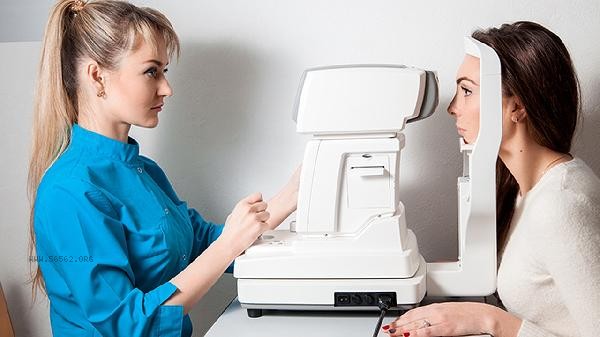
It is recommended to maintain a normal diet and daily routine before the physical examination. The night before the examination, it is recommended to have a light diet, avoid drinking alcohol and vigorous exercise. On the day of the examination, fasting for 8 to 12 hours is necessary for blood collection. Wear loose and easy to put on/take off clothing and shoes, and do not wear metal jewelry to avoid affecting the imaging results. If you usually wear contact lenses, it is recommended to switch to frame glasses on the day of the physical examination for vision testing. Women should avoid undergoing urine routine tests during their menstrual period. Truthfully informing the doctor of their medical history, occupational history, and family genetic history during the physical examination process can help the doctor make accurate judgments. After receiving the physical examination report, if any abnormal indicators are found, it is necessary to consult a doctor in a timely manner and undergo re examination or further treatment as required to ensure that one's health condition meets the job requirements.








Comments (0)
Leave a Comment
No comments yet
Be the first to share your thoughts!