
Normal health check ups usually include basic examinations, laboratory tests, imaging examinations, and specialized examinations. Specific items will be emphasized based on age, gender, family history, and past health conditions.

1. Basic examination:
Basic examination is an introductory item of physical examination, mainly including the measurement of height, weight, blood pressure, pulse, waist circumference, and hip circumference. By using these data, the body mass index can be calculated to preliminarily determine whether there is obesity or weight loss. Blood pressure measurement is used to screen for hypertension or hypotension, and pulse examination can reflect the basic rhythm of the heart. These projects are simple and non-invasive, providing a basic reference for subsequent in-depth examinations and suitable for people of all ages.
2. Laboratory examination:
Laboratory examination is the core part of physical examination, usually including blood routine, urine routine, liver function, kidney function, blood lipid and blood glucose testing. Blood routine can reflect the presence of anemia, infection, or blood system diseases; Urine routine can help screen for kidney diseases and urinary system infections; Liver and kidney function tests evaluate the metabolic and detoxification abilities of the liver and kidneys; Blood lipid and blood glucose tests are used to detect the risk of hyperlipidemia and diabetes early. These tests are completed by extracting venous blood and collecting urine samples, and the results are objective and reliable.
3. Imaging examinations:
Imaging examinations mainly include chest X-rays or low-dose CT, abdominal ultrasound, and electrocardiogram. Chest X-rays or low-dose CT scans are used to screen for lung nodules, inflammation, or tumors, especially for individuals with a history of smoking or a family history of lung cancer. Abdominal ultrasound can examine the morphology and structure of organs such as the liver, gallbladder, pancreas, spleen, and kidneys, and detect cysts, stones, or tumors. Electrocardiogram records the electrical activity of the heart and is used to screen for cardiac problems such as arrhythmia and myocardial ischemia. These examinations are non-invasive or minimally invasive and can provide important information on organ morphology and function.
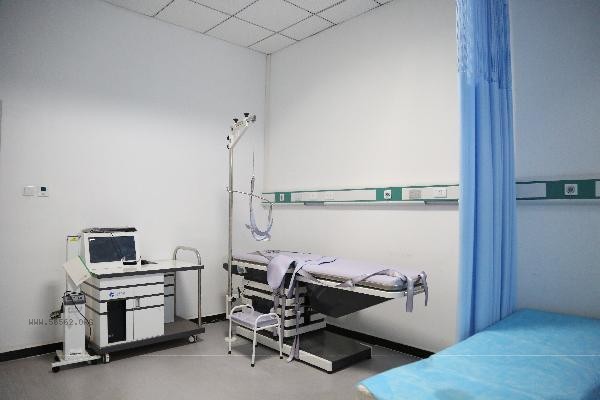
4. Specialized examination:
Specialized examinations are differentiated based on gender and age. Women typically undergo breast ultrasound or mammography, gynecological examinations, and cervical cancer screening for early detection of breast diseases, uterine fibroids, and cervical lesions. Men may undergo prostate-specific antigen testing and prostate ultrasound to screen for prostate hyperplasia or tumors. In addition, ophthalmic examinations such as vision, intraocular pressure, and fundus examinations, as well as dental examinations such as dental caries and periodontal disease screening, also fall within the scope of specialized examinations. These examinations help to detect early lesions in specific systems.
5. Other optional items:
Depending on individual circumstances, some targeted checks can be added. For example, those with gastrointestinal discomfort or a family history of gastrointestinal cancer can choose gastroscopy or colonoscopy examination; Long term desk work or joint discomfort can be accompanied by cervical or lumbar spine imaging examination; Individuals with thyroid problems can undergo thyroid function and ultrasound examinations. In addition, tumor marker testing such as alpha fetoprotein and carcinoembryonic antigen can serve as auxiliary tools for cancer screening. These projects are not necessary for everyone, but they can provide a more comprehensive assessment of specific health risks. After completing the above physical examination items, it is recommended to consult a doctor based on the report results and develop a personalized health management plan. A balanced diet, moderate exercise, adequate sleep, and regular check ups should be maintained in daily life, especially for abnormal indicators that require further diagnosis and treatment according to medical advice. Physical examination is not only a means of discovering diseases, but also an important part of maintaining long-term health. It is particularly necessary for adults to undergo a comprehensive physical examination once a year.









Comments (0)
Leave a Comment
No comments yet
Be the first to share your thoughts!