
The mandatory items for physical examination generally include blood routine, urine routine, liver function, kidney function, blood glucose, blood lipids, electrocardiogram, abdominal ultrasound, chest X-ray and other items. People of different age groups and physical conditions can adjust the specific examination content according to the doctor's advice.
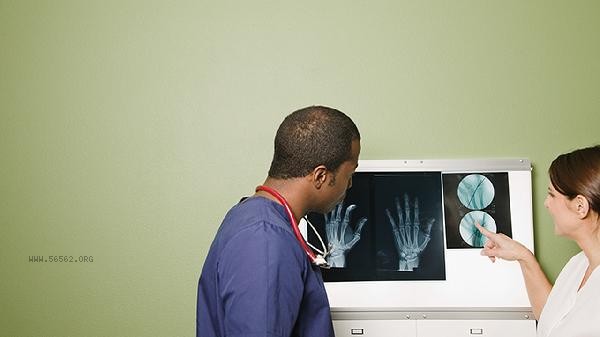
Blood routine tests help determine anemia, infection, or blood system diseases by detecting indicators such as hemoglobin, white blood cells, and platelets. Urine routine can reflect the health status of the urinary system and screen for diseases such as nephritis and urinary tract infections. Liver function and kidney function tests respectively evaluate liver metabolic capacity and kidney filtration function, which have a suggestive effect on hepatitis, cirrhosis, chronic kidney disease, etc. Blood glucose and blood lipid detection is used to detect metabolic diseases such as diabetes and hyperlipidemia. Electrocardiogram can capture issues such as arrhythmia and myocardial ischemia. Abdominal ultrasound can observe structural abnormalities in organs such as the liver, gallbladder, pancreas, and spleen, while chest X-ray is used to screen for lung infections, tuberculosis, or space occupying lesions. In addition to the basic items mentioned above, it is recommended to increase tumor marker screening for people over 40 years old. Women should undergo regular breast and gynecological examinations, and men can increase prostate-specific antigen testing. Long term smokers should pay attention to lung CT examination, hypertensive patients need to improve dynamic blood pressure monitoring, and those with a family history of genetic diseases need to add targeted relevant items. Before the physical examination, it is necessary to fast for 8-12 hours, avoid vigorous exercise, and wear loose clothing for easy examination. After the physical examination, a complete report should be saved, and the trend of changes in indicators should be observed and compared with the results of previous years. If any abnormalities are found, timely specialized medical treatment should be sought.








Comments (0)
Leave a Comment
No comments yet
Be the first to share your thoughts!