
The essential physical examination items for middle-aged and elderly people mainly include blood pressure, blood glucose, blood lipid testing, cardiovascular and cerebrovascular examination, tumor screening, bone density testing, fundus examination, as well as liver and kidney function and uric acid testing.
1. Blood pressure, blood glucose, and blood lipid testing:
Blood pressure, blood glucose, and blood lipids are the basic indicators for evaluating the cardiovascular and cerebrovascular health of middle-aged and elderly people. Hypertension, hyperglycemia and hyperlipidemia are the main risk factors for atherosclerosis, coronary heart disease and stroke. By regularly measuring blood pressure, fasting blood glucose, and blood lipids, including total cholesterol, triglycerides, high-density lipoprotein, and low-density lipoprotein, abnormalities can be detected early. If the indicators are high, it is recommended to adjust the diet structure, reduce salt and oil intake, increase the proportion of vegetables and fruits, and intervene according to medical advice. For example, doctors may recommend using nifedipine controlled-release tablets to control blood pressure, atorvastatin calcium tablets to regulate blood lipids, or metformin hydrochloride tablets to control blood sugar.
2. Cardiovascular and cerebrovascular examination:
Cardiovascular and cerebrovascular examination mainly includes electrocardiogram, cardiac ultrasound, and carotid ultrasound. Electrocardiogram can capture the manifestations of arrhythmia or myocardial ischemia; Cardiac ultrasound can evaluate the structure and function of the heart; Carotid artery ultrasound is used to observe the intima-media thickness and plaque formation in the carotid artery, which are important means of predicting the risk of cerebral infarction. These tests are particularly necessary for individuals with chest tightness, dizziness, or a family history. Emotional stability should be maintained in daily life, and excessive fatigue should be avoided. If vascular stenosis or plaques are found, doctors may recommend using aspirin enteric coated tablets to prevent platelet aggregation or using clopidogrel bisulfate tablets to prevent thrombosis.
3. Tumor screening:
Tumor screening is crucial for middle-aged and elderly people, including tumor marker detection and imaging examinations. Common tumor markers such as carcinoembryonic antigen and alpha fetoprotein can assist in indicating the risk of tumors in the digestive system or liver. For lung cancer, it is recommended to undergo low-dose spiral CT examination; For gastrointestinal cancer, gastroscopy examination may be considered. These examinations help detect early lesions and improve the cure rate. Daily attention should be paid to quitting smoking and limiting alcohol consumption, and avoiding eating moldy or pickled foods. If abnormalities are found, doctors will recommend further examination or treatment based on the specific situation, such as using Tegio capsules for adjuvant chemotherapy of gastric cancer, or using gefitinib tablets for the treatment of specific types of lung cancer.

4. Bone density testing and fundus examination:
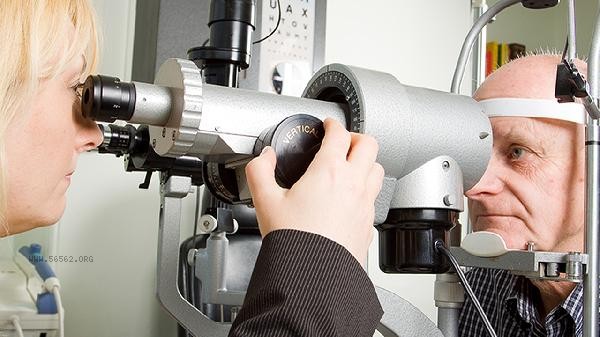
Bone density testing is mainly used to screen for osteoporosis, and middle-aged and elderly women need to pay special attention to it. Osteoporosis can lead to increased bone fragility and increase the risk of fractures. Fundus examination can directly observe the state of retinal blood vessels. It can not only find eye diseases such as glaucoma and cataract, but also reflect the health of blood vessels in the whole body. It has important reference value for the assessment of hypertension and diabetes. Adequate intake of calcium and vitamin D should be ensured in daily life, and outdoor activities should be carried out more frequently. If diagnosed with osteoporosis, doctors may recommend using calcium carbonate D3 tablets to supplement calcium, or using alendronate sodium tablets to inhibit bone resorption.
5. Liver and kidney function and uric acid testing:
Liver and kidney function tests include indicators such as alanine aminotransferase, aspartate aminotransferase, blood creatinine, and urea nitrogen, which are used to evaluate the metabolism and excretion function of the liver and kidneys. Uric acid testing is used to screen for hyperuricemia, as long-term high uric acid levels may lead to gout or kidney damage. Middle aged and elderly people often have abnormal indicators due to taking multiple medications or improper dietary habits. Daily medication abuse should be avoided, and the intake of high purine foods such as animal organs and soups should be controlled. If abnormal liver and kidney function or elevated uric acid are found, doctors may recommend using allopurinol tablets to reduce uric acid or using silibinin capsules to protect the liver. The physical examination of middle-aged and elderly people should be based on their own situation, and appropriate items should be selected under the guidance of a doctor. Maintaining a balanced diet, moderate exercise, quitting smoking and limiting alcohol consumption, and following a regular schedule can help maintain good physical health. If the examination results are abnormal, seek medical attention promptly, follow the doctor's advice for further diagnosis and treatment, and do not self medicate or ignore the problem.









Comments (0)
Leave a Comment
No comments yet
Be the first to share your thoughts!