
The main treatment methods of Chinese medicine for myopia include life intervention, acupuncture and moxibustion, Chinese medicine conditioning, ear point pressing beans, massage, etc. Myopia may be related to genetics, excessive eye use, insufficient qi and blood, liver and kidney deficiency, and other factors. It usually manifests as symptoms such as blurred vision and eye fatigue. It is recommended to seek medical attention promptly and choose appropriate methods under the guidance of a doctor.
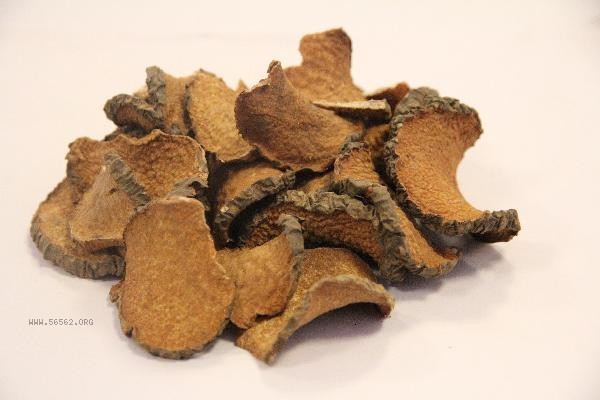
1. Life Intervention
Life intervention is the basic method of traditional Chinese medicine treatment for myopia, including adjusting eye habits and dietary structure. Avoid prolonged close eye contact, take a 5-10 minute break every 30-40 minutes, and enjoy a distant view or close your eyes to rest. In terms of diet, it is advisable to consume foods such as goji berries, chrysanthemums, carrots, etc. that have eye improving effects in moderation. Maintaining sufficient sleep can help alleviate eye fatigue and improve vision.
2. acupuncture and moxibustion therapy
acupuncture and moxibustion therapy improves the blood circulation of the eyes by stimulating the points around the eyes. Common acupoints include Jingming acupoint, Cunzhu acupoint, Sibai acupoint, etc., which can be combined with distal acupoints such as Zusanli and Sanyinjiao. Acupuncture and moxibustion treatment needs to be operated by professional TCM doctors, generally 10-15 times as a course of treatment. Acupuncture and moxibustion may cause local slight pain or bleeding, but it can usually relieve itself.
3. Traditional Chinese Medicine Treatment
Traditional Chinese medicine treatment is based on individual constitution differentiation. Individuals with liver and kidney yin deficiency can choose Qiju Dihuang Pill, those with insufficient qi and blood can take Bazhen Decoction, and those with spleen deficiency and qi deficiency are suitable for Bu Zhong Yi Qi Decoction. Traditional Chinese medicine should be taken under the guidance of a doctor and avoid self medication. Common adverse reactions include gastrointestinal discomfort, which disappears after discontinuation of medication. Traditional Chinese medicine conditioning requires long-term persistence, usually with visible effects within 3-6 months.
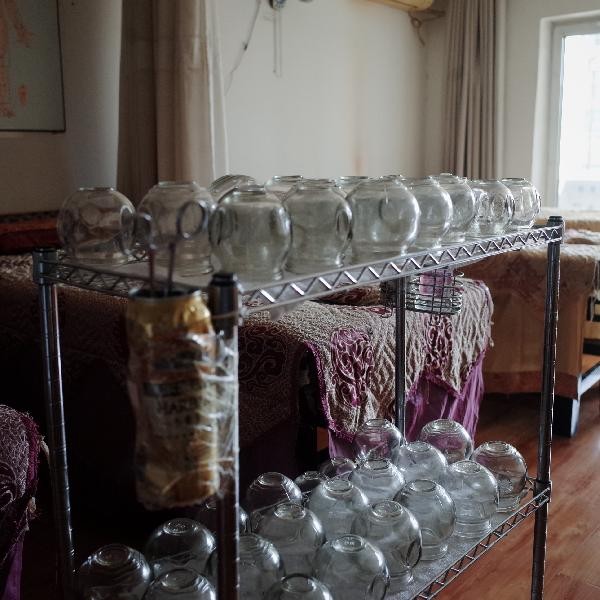
4. Ear acupressure
Ear acupressure regulates vision by stimulating acupoints in the corresponding eye area of the ear. Commonly used ear acupoints include acupoints such as Mu 1, Mu 2, liver, and kidney. Apply Wang Buliuxing seeds to the ear points and press 3-5 times a day for 1-2 minutes each time. Ear acupressure is easy to operate, but people with sensitive skin may experience local itching or redness, and should stop using it at this time. Generally, a course of treatment lasts for 4 weeks.
5. Tuina Massage
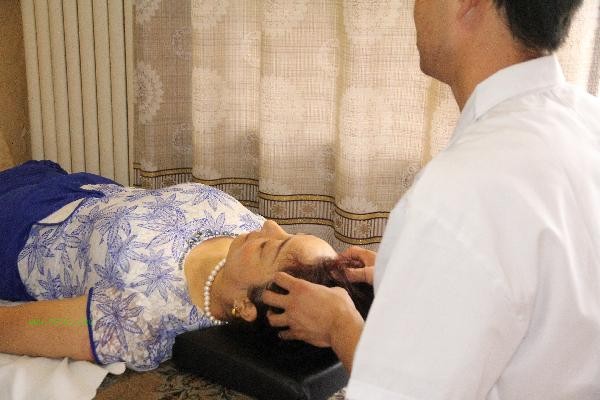
Tuina massage relieves visual fatigue by stimulating the meridians around the eyes through manual techniques. Common techniques include rubbing the Jingming acupoint, pushing the eye socket separately, and wiping the eyeball. Perform once a day in the morning and once in the evening, for 10-15 minutes each time. The massage intensity should be gentle, avoiding direct pressure on the eyeball. After massage, it can be combined with hot compress to enhance the effect. Long term persistence can help improve pseudomyopia and alleviate visual fatigue.
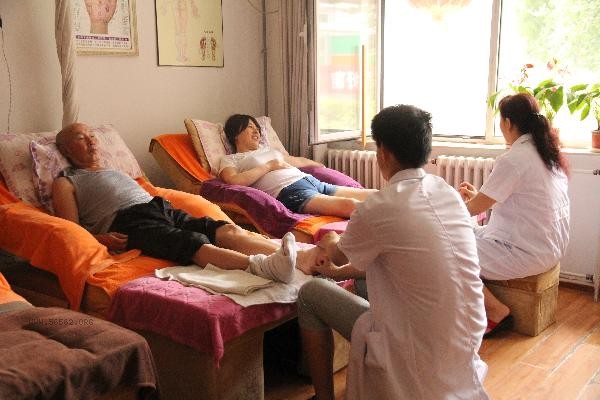
Traditional Chinese medicine treatment for myopia should be selected based on individual circumstances, and it is recommended to follow the guidance of a professional Chinese medicine practitioner. Daily attention should be paid to eye hygiene, avoiding using eyes in low light environments, and maintaining correct reading and writing posture. Regularly undergo vision check ups and seek medical attention promptly if vision loss is detected. You can consume more foods rich in vitamin A and lutein in your diet, such as carrots, spinach, blueberries, etc. Engaging in outdoor activities appropriately and ensuring at least 2 hours of natural light exposure per day can help prevent the development of myopia.





Comments (0)
Leave a Comment
No comments yet
Be the first to share your thoughts!