
The main psychological intervention methods for anxiety disorders include cognitive-behavioral therapy, mindfulness based stress reduction therapy, supportive psychotherapy, exposure therapy, and relaxation training. Anxiety disorder may be related to genetic factors, long-term stress, neurotransmitter imbalance in the brain, and other factors, usually manifested as symptoms such as excessive worry, palpitations, and sweating. It is recommended to seek medical attention promptly and choose appropriate psychological treatment methods under the guidance of professional doctors.
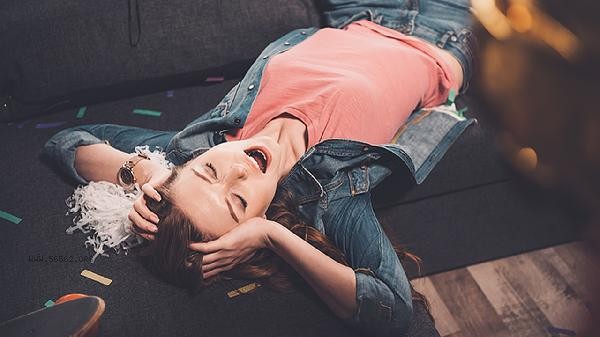
1. Cognitive Behavioral Therapy
Cognitive behavioral therapy alleviates anxiety by identifying and changing negative thinking patterns. Therapists will help patients analyze unreasonable cognition and replace it with more realistic ways of thinking. This method has significant effects on generalized anxiety disorder and panic disorder, typically requiring 10-20 treatments. During the treatment process, homework will be assigned, such as recording anxiety triggers and coping strategies.
2. Mindfulness based stress reduction therapy
Mindfulness based stress reduction therapy reduces anxiety by cultivating awareness of current experiences. Patients learn to observe their thinking and physical feelings with a non judgmental attitude, reducing excessive reactions to anxiety. Common techniques include body scanning, mindfulness breathing, and meditation practice. Research has shown that this method can effectively reduce anxiety levels and improve emotional regulation abilities.
3. Supportive psychotherapy
Supportive psychotherapy provides emotional support and coping strategies to help patients cope with daily stress. Therapists enhance patients' psychological resilience through listening, empathy, and encouragement. This method is suitable for mild anxiety or as an adjunct to other treatments, especially for short-term anxiety caused by life events. The frequency and duration of treatment are relatively flexible.
4. Exposure therapy
Exposure therapy reduces anxiety responses by gradually engaging with fearful situations. Therapists will develop an exposure level chart and gradually train from low anxiety situations. This method has significant effects on specific phobias and obsessive-compulsive disorders, and requires active cooperation from patients. The exposure process may cause temporary discomfort, but long-term persistence can significantly reduce avoidance behavior.
5. Relaxation Training
Relaxation training alleviates anxiety symptoms by systematically practicing muscle relaxation and respiratory control. Common techniques include progressive muscle relaxation, abdominal breathing, and imaginative relaxation. Daily practice for patients can reduce overall tension levels, especially suitable for anxiety accompanied by physical symptoms. Audio guidance helps beginners master the correct methods. In addition to professional psychological intervention, maintaining a regular schedule and moderate exercise can help alleviate anxiety. It is recommended to engage in 30 minutes of aerobic exercise every day, such as brisk walking or swimming. Diet can increase the intake of foods rich in omega-3 fatty acids, such as deep-sea fish and nuts. Avoid excessive intake of caffeine and alcohol. Establish a stable social support network and maintain communication with family and friends. If the symptoms continue to worsen or affect daily life, timely follow-up visits should be made to adjust the treatment plan.




Comments (0)
Leave a Comment
No comments yet
Be the first to share your thoughts!