
The medical examination items for going abroad usually include physical examination, blood test, imaging examination, vaccination certificate, and infectious disease screening, which need to be adjusted according to the regulations of the destination country. Common items mainly include height and weight measurement, blood routine test, urine routine test, liver function, chest X-ray, electrocardiogram, AIDS virus detection, syphilis serum test, hepatitis B surface antigen detection, etc.
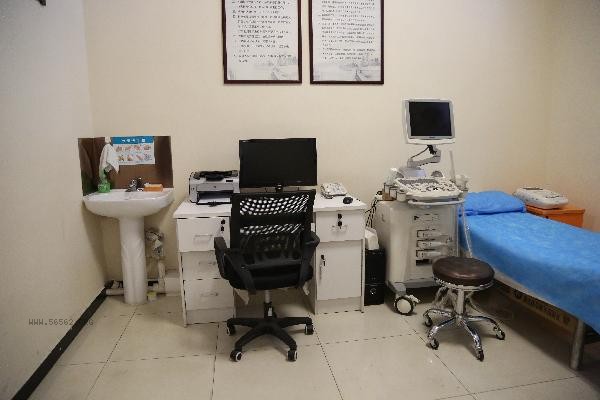
1. Physical examination
includes height and weight measurement, blood pressure and pulse detection, vision and hearing testing, and whole-body system examination. The doctor will observe the condition of the skin and mucous membranes, palpate lymph nodes and thyroid gland, auscultate heart and lung function, and examine abdominal organs. Some countries may require the addition of neurological or motor function assessments, such as joint range of motion tests.
2. Blood test
Blood routine test for red blood cells, white blood cells, and platelet indicators; Liver function test for transaminase and bilirubin levels; Some countries require the detection of hemoglobin electrophoresis. Serological examination covers AIDS antibody, treponema pallidum antibody and hepatitis B surface antigen, and some countries need to increase hepatitis C antibody testing.
3. Imaging examination
Chest X-ray is used to screen for respiratory diseases such as tuberculosis, and some countries accept chest CT as a substitute. Electrocardiogram examination of heart rhythm and myocardial condition may require additional cardiac ultrasound for studying or immigrating to the United States. Some countries require an increase in abdominal ultrasound examinations for individuals aged 50 and above.

4. Vaccination
requires an international vaccination certificate, common requirements include yellow fever vaccine (mandatory in African/South American countries), meningococcal vaccine (required for pilgrimage in Saudi Arabia), and measles mumps rubella combined vaccine. Some countries recognize the vaccination record of COVID-19 vaccine, and need to confirm in advance whether the vaccine type meets the requirements.
5. Special projects
require urine drug testing for travel to Australia, and Middle Eastern countries may require pregnancy testing. Long term visa applicants need to undergo additional mental health assessments, such as interviews with psychiatrists required for Canadian immigration. Some occupational visas require additional occupational disease screening, such as pneumoconiosis examination.

It is recommended to check the list of medical examination requirements published by the destination country's embassy or consulate three months in advance and choose a designated medical institution for the examination. Maintain an empty stomach for 8 hours before the physical examination to avoid affecting the blood test results. Patients with chronic diseases should bring their recent medical records for the doctor's reference. After completing the physical examination, keep the original report properly. Some countries require notarization or authentication. Depending on the type of visa, the validity period of the medical examination results is usually 6-12 months, and re testing is required if overdue.








Comments (0)
Leave a Comment
No comments yet
Be the first to share your thoughts!