
The physical examination items mainly include physical examination, laboratory examination, imaging examination, functional examination, and specialized examination.
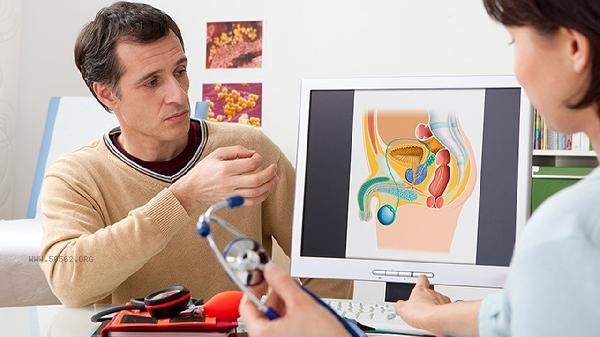
1. Physical examination
includes basic measurements such as height, weight, blood pressure, pulse, as well as internal medicine auscultation, surgical palpation, etc. Physical examination can preliminarily evaluate cardiovascular and pulmonary function, abdominal organ status, and surface abnormalities, and is the primary step in screening for common health problems such as hypertension and obesity.
2. Laboratory tests
include blood routine, urine routine, liver function, kidney function, blood lipid and blood glucose tests. Through blood or body fluid analysis, anemia, infection, diabetes, hyperuricemia and other metabolic abnormalities or organ function damage can be found, and some items need to be carried out on an empty stomach.
3. Imaging examinations
such as chest X-ray, abdominal ultrasound, electrocardiogram, etc. Chest X-ray can screen for pulmonary nodules or infections, ultrasound can observe organ structures such as liver, gallbladder, pancreas, and spleen, electrocardiogram is used to evaluate heart rhythm and myocardial blood supply, and some people may need to increase bone density or mammography.

4. Functional examination
includes lung function test, hearing test, vision test, etc. Pulmonary function testing can help detect chronic obstructive pulmonary disease early, and hearing and vision tests can identify sensory function decline. It is recommended to undergo regular testing for middle-aged and elderly people.
5. Specialized examinations
are additional items designed for specific needs, such as gynecological cervical smears, prostate-specific antigen testing, gastroscopy, etc. Specialized examinations should be selected based on personal medical history or family genetic risk, and screening for tumor markers may be considered for individuals over 40 years old. The physical examination items need to be personalized according to age, gender, occupation, and health status. It is recommended to undergo a basic physical examination once a year, and cancer screening programs can be added for people over 40 years old. Avoid high-fat diet for 3 days before physical examination, fast for 8-12 hours, and wear loose clothing for easy examination. Abnormal results should be promptly reviewed with medical attention, and historical reports should be kept for comparison and trend changes.









Comments (0)
Leave a Comment
No comments yet
Be the first to share your thoughts!