
People with high blood sugar can eat brown rice, oatmeal Congee, buckwheat flour, steamed sweet potato, corn cob and other staple foods in an appropriate amount, and can also use medicine such as metformin tablets, acarbose tablets, glimepiride tablets, repaglinide tablets, and sigliptine tablets as instructed by doctors. It is recommended to seek medical attention promptly, actively cooperate with doctors for treatment, take appropriate medication under the guidance of doctors, and do a good job in dietary regulation.
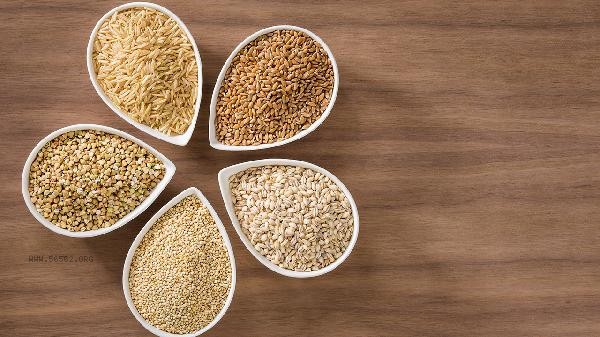
1. Food
1. Rough Rice
Rough rice retains the bran and germ of rice, is rich in dietary fiber and B vitamins, and helps to slow down the rate of postprandial blood sugar rise. For people with high blood sugar, replacing some refined white rice with brown rice as a staple food can increase satiety, reduce food intake, and help stabilize blood sugar levels. When consuming, attention should be paid to controlling the total amount to avoid excessive calorie intake at once. It is also recommended to consume vegetables together to optimize the nutritional structure.
2. Oat Congee
Oats contain rich β - glucan, which is a soluble dietary fiber. It can form viscous substances in the gastrointestinal tract, hinder the rapid absorption of glucose, and then stabilize postprandial blood sugar. Choose pure oatmeal to cook Congee without adding sugar, which is an ideal breakfast choice for people with high blood sugar. Long term moderate consumption can also help improve blood lipid metabolism and reduce the risk of cardiovascular disease, but it is important to choose raw oat products without added sugar.
3. Buckwheat
Buckwheat belongs to low glycemic index foods, and its flavonoids such as rutin help protect vascular endothelial function and improve insulin sensitivity. Rotating buckwheat noodles as a staple food not only satisfies the pursuit of taste, but also effectively avoids drastic fluctuations in blood sugar levels. When cooking, it is advisable to use cold dishes or clear soup to avoid heavy oil and salt. Eating a large amount of green leafy vegetables is more effective and suitable for patients who need long-term blood sugar control.
4. Steamed Sweet Potato
Although sweet potatoes have a sweet taste, they are rich in dietary fiber and various trace elements, and their glycemic index is lower than that of polished rice and white flour. The key lies in the cooking method, which must be steaming rather than baking or frying, because high-temperature baking will concentrate the sugar and convert it into a more easily absorbable form. Moderate consumption of steamed sweet potatoes can replace some staple foods, providing energy while supplementing potassium, but it should be strictly calculated in the total daily carbohydrate intake and not excessive.
5. Corn cob
Sweet corn or glutinous corn both contain a high amount of crude fiber and vitamin E, which helps promote intestinal peristalsis and antioxidant activity. As a staple food substitute, corn cob can provide long-lasting energy release and prevent premature hunger. When consuming, it is recommended to steam it directly to preserve its natural flavor and nutrition, and avoid spreading butter or sugar. For those with poor blood sugar control, corn should be included in the staple food portion of the meal, and the intake of rice or noodles should be reduced accordingly.
II. Drug
1. Metformin tablet
Metformin tablet is the first-line drug for the treatment of type 2 diabetes. It is mainly used to improve insulin resistance, reduce liver glucose output, and increase the uptake and utilization of glucose in muscle tissue. This medicine is suitable for patients with high blood sugar who have poor dietary control, and can effectively reduce fasting and postprandial blood sugar. When using, it should be done under the guidance of a doctor, and attention should be paid to monitoring liver and kidney function. Common adverse reactions include gastrointestinal discomfort, which can usually be relieved with prolonged medication time.
2. Acarbose Tablets
Acarbose tablets are an alpha glucosidase inhibitor that significantly reduces postprandial blood glucose peak by inhibiting the activity of small intestinal brush border enzymes, delaying the process of carbohydrate breakdown into glucose. Especially suitable for patients who primarily consume carbohydrates and have significantly elevated postprandial blood sugar levels. When taking medication, it should be chewed with the first bite of rice. If used alone, it is generally not easy to cause hypoglycemia, but caution should be taken when combined with insulin or other hypoglycemic drugs to avoid the risk of hypoglycemia.
3. glimepiride tablets
glimepiride tablets belong to the sulfonylurea class of insulinotropic agents, which can stimulate pancreatic beta cells to release insulin, thereby reducing blood sugar levels. It is suitable for patients with type 2 diabetes who still have islet function, especially for people with high fasting blood sugar. This medicine has a strong hypoglycemic effect. During use, it is necessary to strictly follow the doctor's advice to have regular and quantitative meals to prevent hypoglycemic reactions. Elderly patients and those with liver and kidney dysfunction should adjust the dosage carefully.
4. Regreline Tablets
Regreline tablets are non sulfonylurea insulin secretagogues with the characteristics of fast onset and short action time, mainly used to control postprandial hyperglycemia. Its mechanism of action is to close ATP sensitive potassium channels on the pancreatic beta cell membrane, promoting rapid release of insulin. Suitable for patients with a regular lifestyle and relatively fixed meal times, following the principle of "taking medication with meals, not without meals" can effectively reduce the probability of hypoglycemia. It needs to be evaluated by a doctor before use.
5. Sitagliptin Tablets
Sitagliptin tablets are dipeptidyl peptidase-4 inhibitors that increase the level of glucagon like peptide-1 in the body by inhibiting DPP-4 enzyme activity, thereby promoting insulin secretion and inhibiting glucagon release in a glucose dependent manner. The drug has extremely low risk of hypoglycemia when used alone and does not increase weight, making it suitable for patients with high blood sugar who are also obese or have a higher cardiovascular risk. Long term use requires regular monitoring of pancreatic function, and specific medication plans should follow the guidance of professional physicians.

Total calorie intake should be strictly controlled in daily diet, adhering to the principle of eating small meals and multiple meals, avoiding overeating, prioritizing low glycemic index vegetables and fruits such as broccoli, cucumber, tomato, etc., and ensuring sufficient water intake. It is recommended to engage in moderate intensity aerobic exercise for at least thirty minutes every day, such as brisk walking, jogging, or swimming, which can help improve the body's sensitivity to insulin. At the same time, it is necessary to maintain a regular sleep schedule, avoid staying up late and excessive mental stress, regularly monitor changes in blood sugar, and promptly seek medical attention from the endocrinology department of the hospital if abnormal fluctuations are found. Do not adjust the dosage of medication or stop taking medication on your own to avoid serious complications.








Comments (0)
Leave a Comment
No comments yet
Be the first to share your thoughts!