
Physical examination surgery mainly includes general examination, head and neck examination, chest examination, abdominal examination, spine and limb examination, anorectal examination and other items.

1. General examination
General examination mainly includes the measurement of basic indicators such as height, weight, and blood pressure. Doctors will observe body shape and nutritional status, calculate body mass index, and assess whether there is obesity or emaciation. At the same time, the skin will be checked for abnormal pigmentation, rash, ulcers, and other symptoms.
2. Head and neck examination
Head and neck examination includes observing whether the head shape is symmetrical, palpating for thyroid enlargement, and checking for lymph node enlargement in the neck. The doctor will check whether the eye movements are coordinated, observe whether the conjunctiva is congested, and examine whether the oral mucosa has ulcers or white spots. It will also assess hearing condition and check nasal ventilation function.
3. Chest examination
Chest examination mainly involves visual examination to observe whether the chest shape is symmetrical, and palpation to check for tenderness or lumps. Doctors will use stethoscopes to assess whether respiratory sounds are normal and check for nodules or abnormal secretions in the breasts. For men, breast development will also be checked.
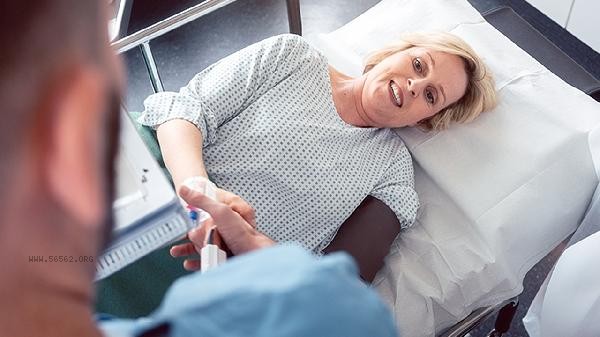
4. Abdominal examination
Abdominal examination includes visual observation of the appearance of the abdomen, palpation for tenderness, lumps, or hepatosplenomegaly. The doctor will perform percussion to determine the presence of ascites and auscultate whether the bowel sounds are normal. We will also check for hernia symptoms in the groin area.
5. Spinal and Limb Examination
Spinal examination mainly observes whether there is scoliosis deformity and evaluates whether the range of motion is normal. Limb examination includes assessment of joint mobility, observation of deformities or swelling, and examination of muscle strength and tone. The doctor will also check the pulsation of the dorsalis pedis artery.
6. Anorectal examination
Anorectal examination includes visual observation of the perianal skin for abnormalities, and digital examination for lumps or tenderness in the rectum. Male prostate examination also belongs to this category. This examination can help detect diseases such as hemorrhoids, anal fissures, and rectal polyps.

The surgical examination items will be emphasized according to different age groups and genders. It is recommended to maintain a normal daily routine and avoid vigorous exercise before the physical examination. During the examination, one should cooperate with the doctor's requirements and truthfully disclose their medical history. Women should avoid undergoing gynecological examinations during their menstrual period. If any abnormal indicators are found after the physical examination, timely medical examination and follow-up should be sought.








Comments (0)
Leave a Comment
No comments yet
Be the first to share your thoughts!