
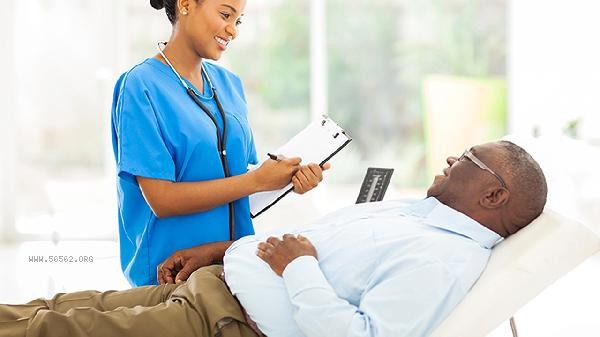
The male physical examination items mainly include blood routine, urine routine, liver function, kidney function, blood glucose, blood lipids, electrocardiogram, chest X-ray, abdominal ultrasound, prostate specific antigen examination, etc. The physical examination items can be adjusted based on factors such as age, health status, and family history. It is recommended that men undergo regular physical examinations to detect health problems in a timely manner.
1. Blood routine examination
Blood routine examination includes indicators such as red blood cell count, white blood cell count, hemoglobin concentration, platelet count, etc., which can help detect anemia, infections, blood system diseases, and other issues. Blood routine examination usually requires fasting, and vigorous exercise should be avoided before blood collection to avoid affecting the examination results.
2. Routine urine examination
Routine urine examination includes urinary protein, urine sugar, urine occult blood, urine white blood cells and other indicators, which is helpful to find urinary system infections, kidney diseases, diabetes and other problems. Urine routine examination requires mid stream urine to be collected. Before the examination, it is important to avoid drinking a large amount of water to avoid diluting the urine and affecting the results.
3. Liver function
Liver function tests include indicators such as alanine aminotransferase, aspartate aminotransferase, total bilirubin, and direct bilirubin, which can help detect liver diseases such as hepatitis, cirrhosis, and fatty liver. Liver function tests usually need to be performed on an empty stomach, and alcohol and liver toxic drugs should be avoided before the test.
4. Renal function
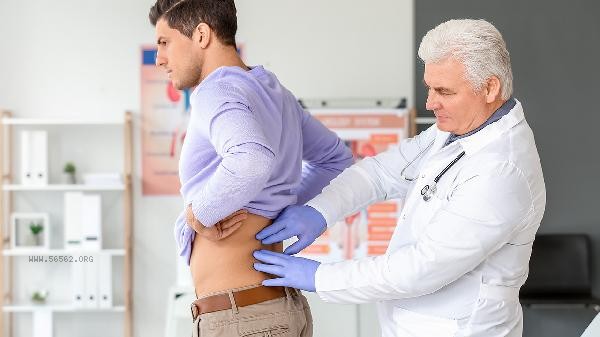
Renal function tests include indicators such as blood creatinine, urea nitrogen, and uric acid, which can help detect diseases such as nephritis, renal failure, and gout. Renal function tests usually require fasting, and high protein diets and vigorous exercise should be avoided before the test.
5. Blood glucose and lipid
Blood glucose examination includes fasting blood glucose and postprandial blood glucose, which is helpful to find diabetes and abnormal glucose tolerance. The blood lipid examination includes total cholesterol, triglyceride, high-density lipoprotein cholesterol, low-density lipoprotein cholesterol and other indicators, which is helpful to find hyperlipidemia and atherosclerosis. Blood sugar and lipid tests usually need to be performed on an empty stomach, and high sugar and high-fat diets should be avoided before the test.

Men's physical examination should choose appropriate items according to their personal situation. It is recommended that men over 40 years old undergo a comprehensive physical examination once a year, focusing on indicators such as blood pressure, blood sugar, blood lipids, and prostate. Good lifestyle habits should be maintained before the physical examination, avoiding staying up late, drinking alcohol, and vigorous exercise to ensure the accuracy of the examination results. After the physical examination, necessary follow-up and treatment should be carried out according to the doctor's advice, and lifestyle adjustments should be made to maintain health.








Comments (0)
Leave a Comment
No comments yet
Be the first to share your thoughts!