
Blood glucose and lipid tests mainly include two categories: fasting blood glucose, 2-hour postprandial blood glucose, glycated hemoglobin, total cholesterol, triglycerides, high-density lipoprotein cholesterol, low-density lipoprotein cholesterol, etc. These items can help to assess the status of glucose metabolism and lipid metabolism, and are basic examinations for diagnosing metabolic diseases such as diabetes and hyperlipidemia.
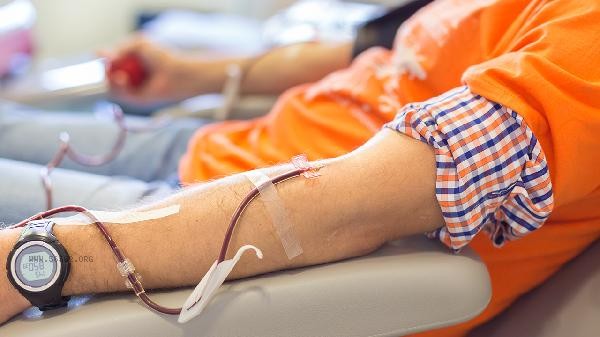
Fasting blood glucose in blood glucose examination refers to the blood glucose value measured after at least 8 hours without taking any calories, which is an important indicator for diagnosing diabetes. The 2-hour postprandial blood glucose reflects the body's ability to process glucose load, which is of great significance for early detection of abnormal glucose tolerance. Glycated hemoglobin can reflect the average blood glucose level over the past 2-3 months and is not affected by a single diet, making it the gold standard for evaluating long-term blood glucose control. The total cholesterol in the blood lipid test is the sum of all cholesterol in the blood, and its high level will increase the risk of atherosclerosis. Triglycerides are the most abundant lipids in the body, and their elevation is closely related to the intake of high sugar and high fat in the diet. High density lipoprotein cholesterol, also known as good cholesterol, has the function of transporting cholesterol from the blood vessel wall to the liver for metabolism. The higher the value, the stronger the cardiovascular protection effect. Low density lipoprotein cholesterol, known as bad cholesterol, is the main culprit of atherosclerosis. The higher the level, the greater the risk of cardiovascular and cerebrovascular diseases. In addition, some hospitals will also examine items such as apolipoprotein A1, apolipoprotein B, and lipoprotein a, which can more accurately evaluate the types of lipid metabolism abnormalities and cardiovascular risks.
It is recommended to maintain a normal diet and daily routine before the examination, avoid overeating or deliberate dieting, and refrain from eating or drinking after dinner the night before the examination. Drinking water in moderation is recommended. On the day of the examination, maintain emotional stability, avoid vigorous exercise and emotional fluctuations, and sit quietly for 5-10 minutes before drawing blood. If there are abnormalities in the examination results, it is necessary to consult a doctor in a timely manner and conduct a comprehensive evaluation based on factors such as age, weight, family history, and lifestyle habits. Pay attention to controlling the intake of refined carbohydrates and saturated fats in daily diet, increase the proportion of vegetables, fruits, and whole grains, and combine regular aerobic exercise to help maintain blood sugar and blood lipids within ideal ranges.








Comments (0)
Leave a Comment
No comments yet
Be the first to share your thoughts!