
The general physical examination usually includes physical examination, laboratory examination, imaging examination, and specialized examination, mainly including blood routine, urine routine, liver function, kidney function, blood glucose, blood lipids, electrocardiogram, chest X-ray, abdominal ultrasound, tumor marker screening, etc.

1. Physical Examination
Physical examination is a basic item, including height, weight, blood pressure, pulse measurement, as well as cardiopulmonary auscultation, abdominal palpation, etc. Physical examination can preliminarily determine whether there are problems such as obesity and hypertension, and can also detect abnormal signs of some organs, such as heart murmurs, hepatosplenomegaly, etc.
II. Laboratory Examination
Laboratory examination covers three major routine tests: blood routine, urine routine, and stool routine, which can screen for anemia, infection, urinary system diseases, etc. Biochemical tests include liver function, kidney function, blood glucose, blood lipids, etc., which can evaluate metabolic status and organ function. Some physical examination packages may also include special items such as thyroid function and sex hormones.
III. Imaging Examination
Common imaging examinations include chest X-ray, abdominal ultrasound, thyroid ultrasound, etc. Chest X-rays can detect lung nodules, inflammation, and other lesions, while abdominal ultrasound can examine organ structures such as liver, gallbladder, pancreas, spleen, and kidney. Middle aged and elderly populations may increase their participation in carotid ultrasound, bone density testing, and other related procedures.
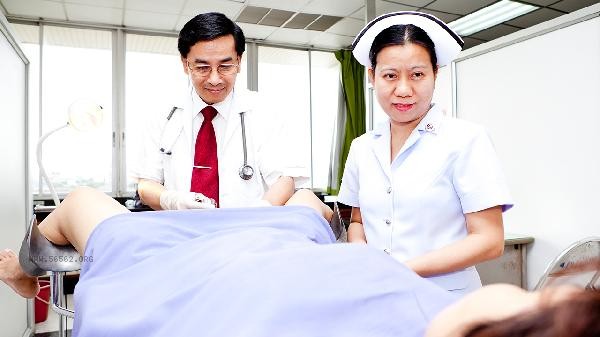
Fourth, Specialized Examination
Specialized examinations are targeted at specific systems, such as ophthalmic examinations for vision and fundus, otolaryngological examinations for hearing and nasal pharyngeal examinations, and dental examinations for dental health. Women need to undergo gynecological and breast examinations, while men may undergo prostate examinations. Partial physical examinations will also include internal medicine and surgical examinations.
V. Tumor Screening
Tumor markers such as AFP, CEA, CA125, etc. can assist in screening for liver cancer, gastrointestinal tumors, etc. High risk individuals may require additional specialized examinations such as low-dose lung CT and gastroscopy. Some physical examination centers also offer personalized programs such as genetic testing. The selection of physical examination items should be personalized based on factors such as age, gender, family history, etc. It is recommended that people over 40 years old undergo a comprehensive physical examination once a year, with a focus on cardiovascular and cerebrovascular disease screening as well as tumor screening. Before the physical examination, it is necessary to fast for 8-12 hours and avoid vigorous exercise. Women should avoid their menstrual period. If any abnormal indicators are found after the physical examination, medical attention should be sought for re examination in a timely manner, and the report should not be interpreted by oneself.









Comments (0)
Leave a Comment
No comments yet
Be the first to share your thoughts!