
The general physical examination usually includes physical examination, laboratory examination, imaging examination, and specialized screening, mainly including blood routine, urine routine, liver function, kidney function, electrocardiogram, chest X-ray, abdominal ultrasound, tumor marker detection, etc.

1. Physical examination
Physical examination covers the measurement of basic indicators such as height, weight, blood pressure, heart rate, etc. The doctor evaluates the status of the heart, lungs, abdomen, nervous system, etc. through visual touch and listening. Thyroid palpation can detect nodules, lymph node examination can help detect signs of infection or tumors, and skin examination can identify pigmentation abnormalities or skin lesions.
2. Laboratory examination
Blood routine can detect anemia, infection, and blood system diseases, while urine routine reflects urinary system function and metabolic abnormalities. Liver function tests include indicators such as transaminase and bilirubin, while kidney function tests evaluate filtration function through creatinine and urea nitrogen. The detection of blood glucose and blood lipid is very important for screening diabetes and cardiovascular disease.
3. Imaging examination
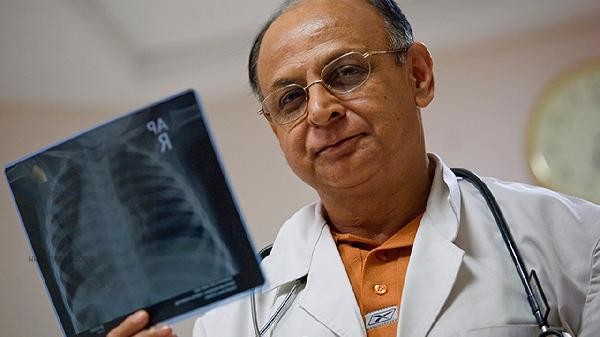
Chest X-rays can detect lung infections, tuberculosis, or space occupying lesions, while abdominal ultrasound can observe structural abnormalities in organs such as liver, gallbladder, pancreas, spleen, and kidney. Electrocardiogram is used to diagnose arrhythmia and myocardial ischemia, and if necessary, cardiac ultrasound should be added to evaluate cardiac function. People over 40 years old are recommended to undergo regular low-dose lung CT screening.
4. Tumor marker
alpha fetoprotein has reference value for liver cancer screening, carcinoembryonic antigen is commonly used for monitoring digestive tract tumors, and prostate-specific antigen can assist in the diagnosis of prostate cancer. Women need to increase CA125 and CA153 detection, and cooperate with breast ultrasound or mammography to screen breast cancer.
5. Special screening
gastrointestinal endoscopy can directly observe gastrointestinal lesions and take biopsies, and bone density testing is suitable for high-risk populations of osteoporosis. Fundus examination can detect diabetes retinopathy early, and hearing test is particularly important for noise exposed people. According to occupational exposure history, it is necessary to increase testing for special items such as heavy metals and pneumoconiosis. Three days before the physical examination, a light diet should be maintained to avoid affecting blood lipid and blood sugar results. On the day of the examination, fasting for 8-12 hours is required. Long term medication users should inform their doctors in advance, and women should avoid undergoing gynecological examinations during their menstrual period. It is recommended to customize personalized packages based on age, gender, and family history. People over 40 years old should undergo a comprehensive physical examination once a year, and chronic disease patients should shorten the interval between follow-up examinations. Abnormal indicators in the physical examination report should be promptly treated with a specialist, and normal results should also be continuously tracked and compared through the establishment of health records.









Comments (0)
Leave a Comment
No comments yet
Be the first to share your thoughts!