
The internal medicine physical examination mainly includes physical examination, laboratory examination, imaging examination, functional examination, and specialized screening.
1. Physical examination:
Physical examination is the basic part of internal medicine examination, and doctors conduct a systematic examination of the whole body through visual, tactile, percussion, and auditory techniques. Mainly including measuring basic vital signs such as height, weight, blood pressure, pulse, etc., evaluating nutritional status and obesity level. The doctor will check the skin and mucous membranes for yellow staining and bleeding points, and observe whether the lymph nodes are enlarged. Auscultation of the heart and lungs, evaluation of heart rate, rhythm, and respiratory sounds for abnormalities, palpation of the abdomen for tenderness, masses, or hepatosplenomegaly. These tests can preliminarily detect issues such as hypertension, heart valve disease, chronic obstructive pulmonary disease, and hepatosplenomegaly.
2. Laboratory examination:
Laboratory examination evaluates visceral function by analyzing blood, urine, and other specimens. A blood routine can screen for anemia, infection, or blood system diseases, and an elevated white blood cell count suggests the possibility of bacterial infection. Urinalysis to check for protein, red blood cells, or white blood cells in urine can help detect glomerulonephritis or urinary tract infections. Liver function tests include indicators such as alanine aminotransferase, aspartate aminotransferase, and total bilirubin, which can reflect the degree of liver cell damage. Renal function test evaluates renal filtration function through blood creatinine and urea nitrogen. Fasting blood glucose and blood lipid are used to screen diabetes and dyslipidemia.
3. Imaging examination:
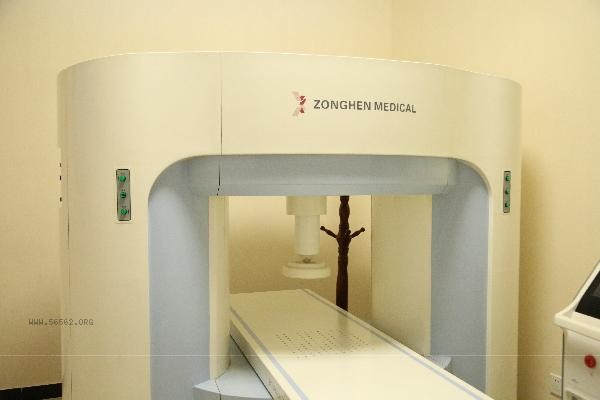
Imaging examination uses equipment to visually display organ structures. Chest X-rays can detect pneumonia, tuberculosis, lung tumors, or abnormal cardiac morphology. Abdominal ultrasound examination of the liver, gallbladder, pancreas, spleen, and kidneys can detect common lesions such as liver cysts, gallbladder polyps, and kidney stones. Thyroid ultrasound is used to evaluate the size, boundaries, and internal echoes of thyroid nodules, helping to determine benign or malignant tendencies. For individuals with a history of smoking or pulmonary symptoms, low-dose spiral CT can more clearly display early signs of lung cancer.
4. Functional examination:
Functional examination evaluates the working status of organs. electrocardiogram records cardiac electrical activity and can diagnose arrhythmia, myocardial ischemia, or old myocardial infarction. Dynamic electrocardiogram can continuously record 24-hour electrocardiogram signals and capture the causes of occasional palpitations or chest tightness. Pulmonary function test evaluates the degree of airway obstruction through forced breath test and has diagnostic value for chronic bronchitis and emphysema. The Helicobacter pylori breath test detects the presence of Helicobacter pylori infection in the stomach by detecting carbon dioxide labeled in exhaled gas. This bacterium is closely related to chronic gastritis and peptic ulcers.
5. Specialized screening:
Specialized screening is aimed at specific systems or diseases. For people over 40 years old, it is recommended to undergo gastrointestinal endoscopy, which can visually detect inflammation, ulcers, or polyps in the esophagus, stomach, and colon, and can take biopsies or remove lesions under the microscope. Bone density testing measures lumbar and hip bone mass using dual energy X-ray absorptiometry for the diagnosis of osteoporosis. Carotid artery ultrasound examination of carotid intima-media thickness and plaque status to assess stroke risk. Tumor markers such as carcinoembryonic antigen and alpha fetoprotein can serve as auxiliary references, but cannot be used alone to diagnose cancer. The internal medicine examination items should be personalized based on individual age, gender, family medical history, and past health status. It is recommended to undergo a routine physical examination once a year, maintain an empty stomach for 8-12 hours before the examination, and avoid vigorous exercise and alcohol consumption. Abnormal indicators in the physical examination report should be comprehensively judged by the doctor based on clinical symptoms, and if necessary, re examination or specialized treatment should be conducted. Maintaining a healthy lifestyle, such as a balanced diet, regular exercise, quitting smoking and limiting alcohol consumption, can help keep various indicators within normal ranges.









Comments (0)
Leave a Comment
No comments yet
Be the first to share your thoughts!