
The internal medicine physical examination mainly includes blood pressure measurement, cardiopulmonary auscultation, abdominal palpation, neurological examination, blood routine test, etc. Internal medicine examination is an important means of evaluating the functional status of internal organs in the human body, which helps to detect potential health problems early.
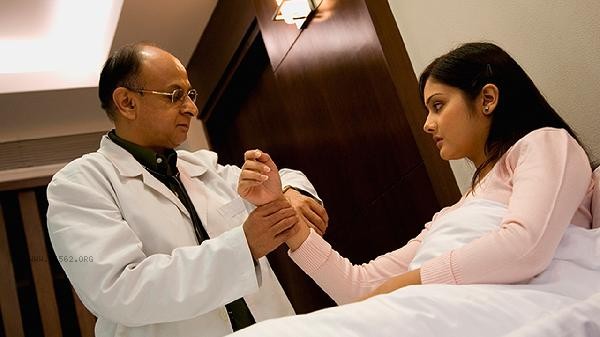
1. Blood pressure measurement
Blood pressure measurement is a basic item of internal medicine physical examination. The cuff compression method is used to detect systolic and diastolic blood pressure values, which can screen for hypertension or hypotension. Before measurement, it is necessary to sit quietly and rest to avoid vigorous exercise or emotional excitement that may affect the results. Long term abnormal blood pressure may lead to cardiovascular and cerebrovascular diseases, and regular monitoring is necessary.
2. Heart and lung auscultation
Use a stethoscope to check heart sound rhythm, heart murmurs, and lung respiratory sounds to determine heart and lung function. Cardiac auscultation can detect arrhythmia and valve disease, while pulmonary auscultation can identify abnormalities such as wheezing and wet rales. Smokers and individuals with chronic cough should pay close attention to the results of this examination.
3. Abdominal palpation
assesses the digestive system status by manually pressing and examining the size of the liver and spleen, abdominal masses, and tenderness. Palpation can preliminarily determine liver enlargement, cholecystitis and other lesions, and fasting for 8 hours is required before examination. Patients with persistent abdominal pain or digestive symptoms need further diagnosis based on imaging.

4. Neurological examination
includes muscle strength testing, reflex examination, and sensory evaluation, using percussion hammers to detect physiological reflexes such as knee jerk reflex. It can find nervous system problems such as myasthenia and sensory abnormalities, which is particularly important for screening diabetes peripheral neuropathy. During the examination, it is necessary to cooperate with the doctor to complete the designated actions.
5. Blood routine test
analyzes red blood cell, white blood cell, and platelet indicators through venous blood collection to determine anemia, infection, or blood diseases. Blood routine can reflect the inflammatory status and hematopoietic function of the body, and should be comprehensively evaluated in conjunction with other examinations. High fat diet should be avoided before blood collection to prevent chyle blood from affecting the results.

It is recommended to maintain a light diet, avoid alcohol consumption and vigorous exercise for 3 days before the physical examination. Chronic disease patients can take basic medications normally on the day of physical examination, but they need to inform the doctor of their medication status. After the physical examination, if abnormal indicators are found, they should be rechecked at a specialized clinic, and if necessary, imaging examinations such as ultrasound and CT should be performed. Regular internal medicine check ups help establish health records and achieve early detection and intervention of diseases.








Comments (0)
Leave a Comment
No comments yet
Be the first to share your thoughts!