
The important items for liver cancer examination mainly include alpha fetoprotein, ultrasound examination, enhanced CT, magnetic resonance imaging, and liver biopsy. These tests can assess liver condition from different dimensions, helping to clarify diagnosis and develop treatment plans.
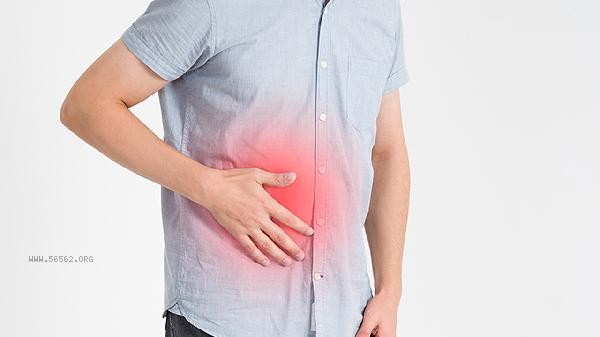
Alpha fetoprotein is a tumor marker that can be detected through blood tests. When the value significantly increases, it suggests the possibility of liver cancer. However, in some early liver cancer patients, alpha fetoprotein may be normal and needs to be combined with other examinations for comprehensive judgment. Ultrasound examination is non-invasive, convenient, and can observe the presence of space occupying lesions in the liver, preliminarily determine the shape, boundaries, and internal echoes of the mass, and is the preferred method for liver cancer screening. Enhanced CT scans can clearly display the blood supply characteristics of liver tumors after injection of contrast agents. Typical liver cancer shows significant enhancement in the arterial phase, while the degree of enhancement decreases in the venous and delayed phases. This fast in and fast out feature is of great diagnostic value. Magnetic resonance imaging has higher resolution for soft tissue and is particularly suitable for distinguishing between benign and malignant liver lesions. Its detection rate for liver cancer or small liver cancer in the context of fatty liver is better than CT. Liver biopsy is the gold standard for diagnosing liver cancer. Under ultrasound or CT guidance, a small amount of liver tissue is obtained with a fine needle for pathological examination, which can directly determine the nature, differentiation degree, and molecular classification of the tumor. However, it is an invasive operation and requires strict adherence to indications.
Liver cancer patients should regularly check the above items, while paying attention to maintaining a balanced diet, consuming high-quality protein such as fish and eggs in moderation, and avoiding high-fat and pickled foods. Quit smoking and limit alcohol consumption, ensure adequate sleep, and avoid overexertion. Follow the doctor's advice for antiviral or liver protection treatment, actively cooperate with the doctor's follow-up, and seek medical attention promptly when symptoms such as abdominal distension, abdominal pain, and jaundice occur.








Comments (0)
Leave a Comment
No comments yet
Be the first to share your thoughts!