
The health examination items mainly include five categories: physical examination, laboratory examination, imaging examination, functional examination, and specialized examination. Common items include height and weight measurement, blood pressure testing, blood routine, urine routine, liver function, kidney function, blood glucose, blood lipids, electrocardiogram, ultrasound examination, chest X-ray, etc.
1. Physical Examination
Physical examination is a basic physical examination item, including height and weight measurement, blood pressure testing, vision examination, hearing examination, etc. Height and weight measurement can calculate body mass index and assess the presence of obesity or malnutrition. Blood pressure monitoring can help detect high or low blood pressure issues. Visual and auditory examinations can detect early vision loss or hearing impairment.
2. Laboratory tests
Laboratory tests mainly include blood routine, urine routine, liver function, kidney function, blood glucose, blood lipids, etc. Blood routine can detect issues such as anemia and infection. Urinalysis can help detect urinary system diseases. Liver function tests can assess the health status of the liver. Renal function tests can detect abnormal kidney function. Blood glucose and blood lipid examination is very important for screening diabetes and cardiovascular disease.
3. Imaging examinations
Common imaging examinations include chest X-rays, ultrasound examinations, etc. Chest X-ray can screen for lung diseases such as pneumonia, tuberculosis, etc. Ultrasound examination includes abdominal ultrasound, thyroid ultrasound, breast ultrasound, etc., which can detect organ structural abnormalities. These checks are non-invasive and highly safe.
4. Functional examination
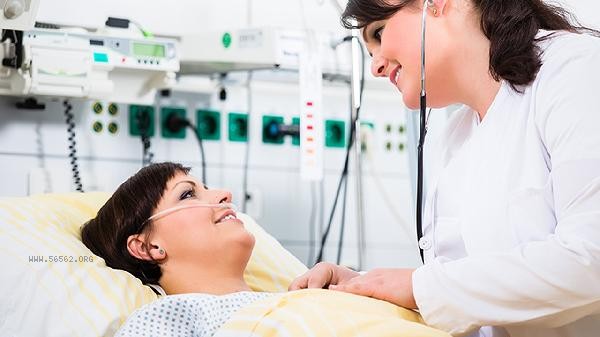
Functional examination mainly includes electrocardiogram, lung function examination, etc. Electrocardiogram can detect issues such as arrhythmia and myocardial ischemia. Pulmonary function tests help evaluate the functional status of the respiratory system. These examinations are important for early detection of cardiovascular and respiratory diseases.
5. Specialized examinations
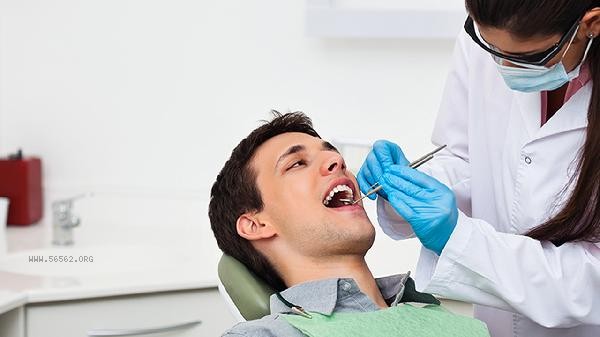
Specialized examinations include ophthalmic examinations, otolaryngological examinations, oral examinations, etc. Ophthalmic examination can evaluate visual acuity, fundus, and other conditions. Ear, nose and throat examination can detect diseases in the ear, nose and throat area. Oral examination can help detect problems such as dental caries and periodontal disease. These examinations provide a more detailed evaluation of specific organ systems.

It is recommended to choose appropriate physical examination items based on age, gender, family history, and personal health status. Regular physical examinations can help detect health problems early and take timely intervention measures. Before the physical examination, one should maintain a normal daily routine, avoid vigorous exercise and alcohol consumption, and perform some tasks on an empty stomach. After the physical examination, necessary follow-up or treatment should be carried out according to the doctor's advice.








Comments (0)
Leave a Comment
No comments yet
Be the first to share your thoughts!