
Eating too much shiitake mushrooms usually does not cause serious harm, but it may cause gastrointestinal discomfort, indigestion, excessive purine intake, allergic reactions, and increased burden on the kidneys.
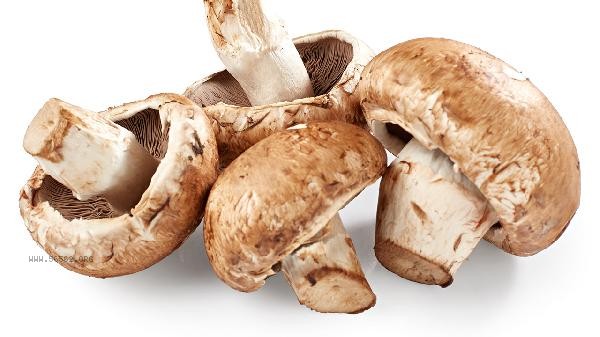
1. Gastrointestinal discomfort
Mushrooms are rich in dietary fiber, and moderate consumption can help promote intestinal peristalsis and prevent constipation. If too much dietary fiber is consumed at once, a large amount of dietary fiber will absorb water and expand in the gastrointestinal tract, which will stimulate the gastrointestinal mucosa and cause gastrointestinal discomfort symptoms such as bloating, abdominal pain, or diarrhea. Especially for people with weaker gastrointestinal function, such reactions are more likely to occur after excessive consumption. It is recommended to control the single intake and chew slowly in daily consumption to reduce gastrointestinal digestive pressure.
2. Dysdigestion
Mushrooms contain a certain amount of chitin, a polysaccharide substance that exists in the fungal cell wall. The human body lacks enzymes to break down chitin, making it difficult to fully digest and absorb. When consumed in large quantities, undigested chitin can accumulate in the intestines, disrupting the normal digestion process of food and causing decreased appetite, nausea, or a feeling of fullness in the stomach. Long term exposure may affect the absorption efficiency of nutrients, leading to hidden malnutrition in the body. It is important to pay attention to consuming easily digestible foods together.
3. Excess Purine
Mushrooms belong to medium high purine foods, with a higher purine content per 100 grams of dried mushrooms. For healthy individuals, moderate consumption generally does not cause fluctuations in blood uric acid levels, but if consumed in large quantities for a long time, it can lead to an increase in purine metabolism load in the body, which in turn can cause an increase in blood uric acid levels. If patients with hyperuricemia or gout consume excessive amounts, it is highly likely to trigger acute attacks of gout, manifested as joint redness, swelling, heat, and pain. Such individuals should strictly limit the frequency and quantity of mushroom intake to avoid worsening the condition.
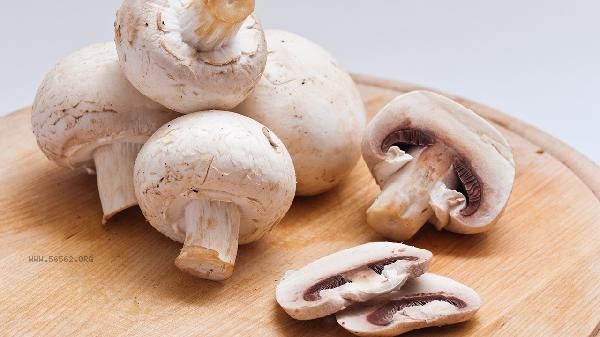
4. Allergic reactions
Some people have a specific allergic constitution to edible mushrooms, and excessive consumption of shiitake mushrooms may trigger an immune system overreaction. Mild cases may present with skin symptoms such as itching, erythema, and urticaria, while severe cases may be accompanied by respiratory spasms, difficulty breathing, or severe gastrointestinal reactions. This allergic phenomenon is related to the individual's immune status and not everyone will experience it, but once similar symptoms occur, the risk will significantly increase when consumed in large quantities again. It should be stopped immediately and medical help should be sought.
5. Renal Burden
Mushrooms contain a high amount of potassium and plant protein, and individuals with normal kidney function can excrete excess substances through urine to maintain electrolyte balance in the body. If consumed in large quantities in a short period of time, it will increase the burden of kidney filtration and excretion, especially for patients with chronic kidney disease or renal insufficiency, which may lead to increased hyperkalemia or azotemia, severe consequences such as fatigue, palpitations, and even arrhythmia. These special populations need to strictly control their intake under the guidance of professional nutritionists.

In daily diet, it is recommended to maintain food diversity and avoid excessive intake of single ingredients. When consuming shiitake mushrooms, it is recommended to cook them thoroughly to enhance taste and safety. At the same time, attention should be paid to pairing vegetables and fruits to ensure nutritional balance. If there is persistent physical discomfort after consumption, such as severe abdominal pain, rash, or joint pain, it is necessary to seek medical attention promptly and have a professional doctor evaluate and treat it. Do not blindly take medication or ignore symptoms on your own to avoid delaying the best treatment time. It is also important to develop good eating habits, eat regularly, exercise moderately, and maintain physical health.








Comments (0)
Leave a Comment
No comments yet
Be the first to share your thoughts!